
Inside and Outside the Ring: The Changing Face of Indian Boxing and the Road Ahead
भारतीय मुक्केबाज़ी ने पिछले दो दशकों में महिला वर्ग के दम पर वैश्विक पहचान बनाई है — मैरी कॉम के छह विश्व खिताब, लवलीना बोरगोहेन के ओलंपिक पदक और निकहत ज़रीन के विश्व खिताब इसके प्रमुख उदाहरण हैं। पुरुष वर्ग में प्रतिभा मौजूद है, लेकिन निरंतरता और निर्णायक क्षणों में जोखिम लेने की कमी सबसे बड़ी बाधा है। आगे की राह के चार प्रमुख स्तंभ हैं: जूनियर स्तर पर निवेश, अंतरराष्ट्रीय एक्सपोज़र, कोचिंग की गुणवत्ता और चयन-फंडिंग में पारदर्शिता।
Boxing is often described as the simplest of sports — two fighters, one ring, three rounds and a verdict. But those who know the backstage story say it is actually one of the most complex. A punch travels faster than thought, and behind every boxer standing in the ring is a coach, a physio, a nutritionist, a video analyst, an administrator and years of anonymous labour.
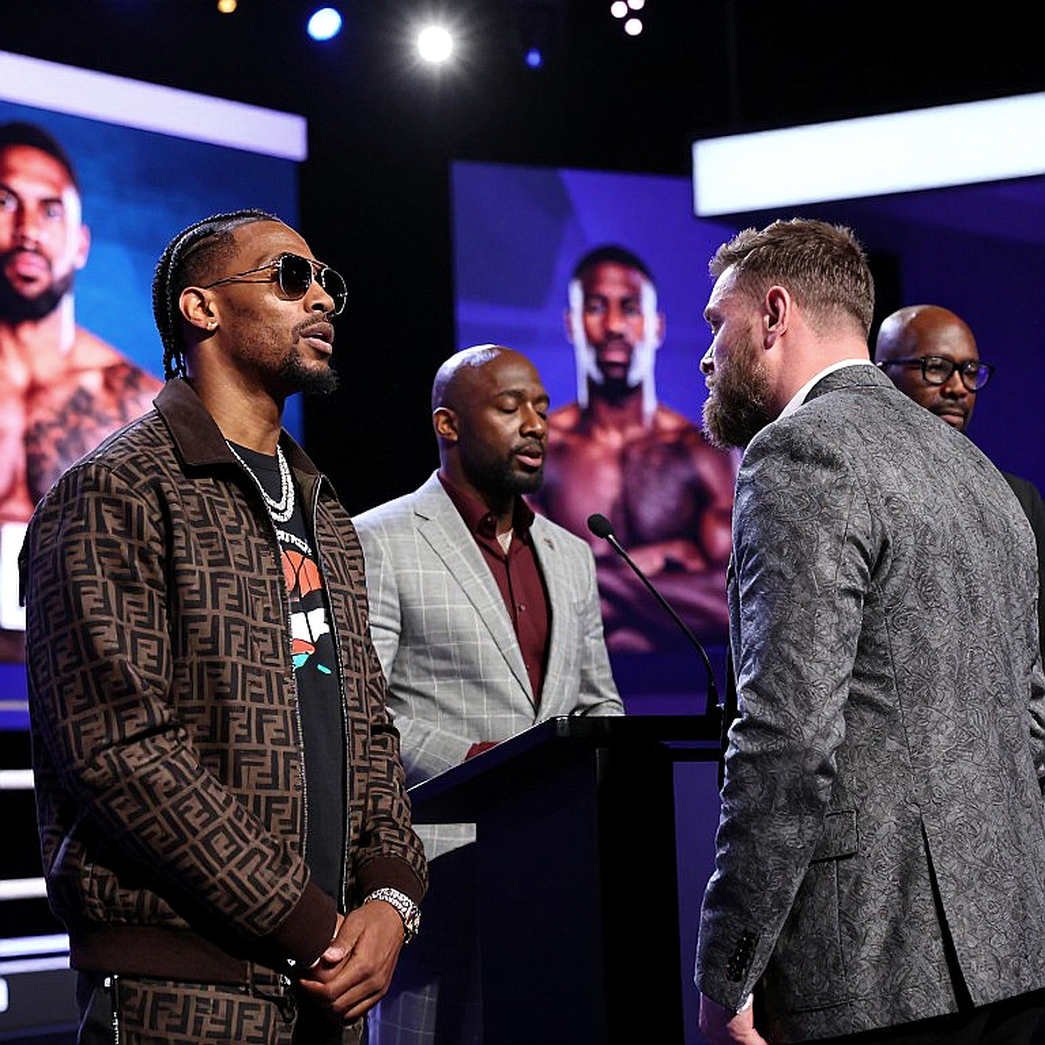
Indian boxing has travelled a remarkable distance in the last two decades. Once confined to a handful of states — Manipur, Haryana, Punjab, Himachal Pradesh and parts of Uttar Pradesh — the sport now draws boxers from Tamil Nadu, Kerala, Telangana, Odisha, Assam and Gujarat into national camps. That is a change not just of geography but of mindset.
The nature of the sport
Olympic boxing's three-round format has transformed the game. Where five rounds once rewarded patience and strategy, every second now matters. Boxers must score from the opening bell; those who start late often pay for it in close decisions. Indian coaching has taken time to accept this, but training methods are now adapting.
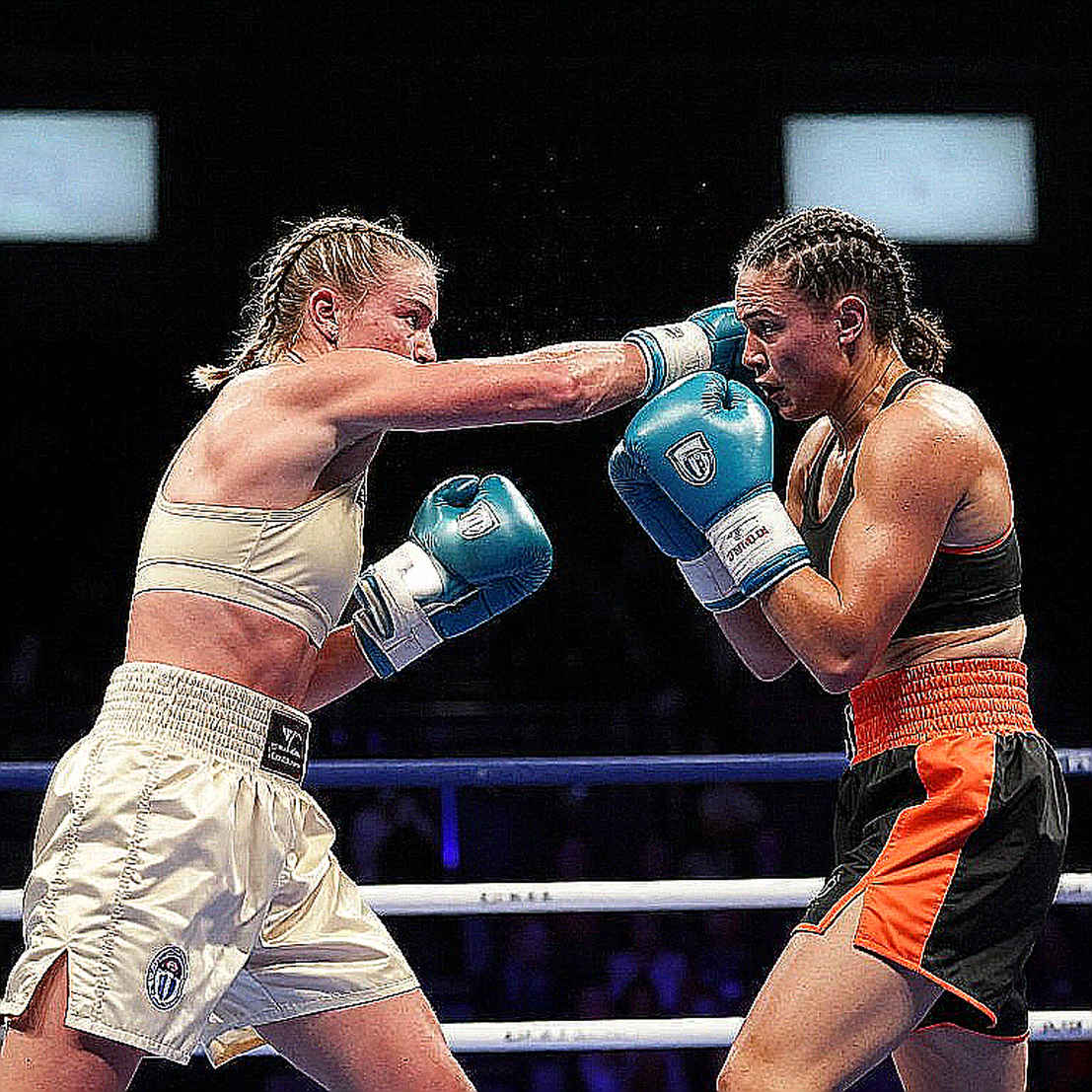
Weight categories are the second challenge. International categories change periodically, and every change reshapes careers. A boxer who has spent years at 60 kilograms suddenly finds his division missing from the Olympic programme and must either move up or down — each carrying risk. This is not merely physical adjustment; it is a rebuild of technique and tactics.
Women's boxing: the engine of the rise
The modern Indian story must be read in two streams — women's and men's boxing. Women's boxing has produced results that are exceptional even by global standards. Mary Kom, who came from a small Manipur village to win six world championship titles, did not just win medals; she made the sport part of Indian household conversation. Lovlina Borgohain followed with Olympic medals, proving the success was no accident. Nikhat Zareen then won world titles with a style built on fast footwork, relentless pressure and volume punching. The biggest achievement of this generation is that it made boxing a legitimate career option for girls. A decade ago few middle-class families would have said a daughter could build a career in the ring. Today they send daughters to national camps. That change does not show up in statistics, but it is the most important change of all.
Men's boxing: potential without consistency
Talent is not scarce on the men's side; continuity is. Amit Panghal's world championship medal showed Indian men can compete at the highest level, and Shiv Thapa, Sachin Siwach and Vishwanath Suresh have each demonstrated ability at different moments. The problem is not technical but mental: in decisive moments Indian boxers often choose safety while European and Central Asian opponents take risks. The gap looks small but grows large in results. Men's boxing has also lacked a clear chain of leadership — the women's side had a line from Mary Kom to Nikhat Zareen in which each inspired the next, while the men's side has had to start from zero with every generation.
Scientific training
The biggest shift has been in training methodology. Strength and endurance once dominated; now technique, speed, recovery and data matter. Video analysis has become essential — frame-by-frame study reveals which foot an opponent favours, how the shoulder moves before a jab, which way he leans when tired. Indian camps now have analysts, but their numbers and quality remain limited. Recovery science has also arrived — cryotherapy, compression therapy, sleep monitoring and individual nutrition plans — yet access is uneven. A few camp members receive it while opponents from rival nations treat it as standard for every national athlete.
Injury management is a major issue. Head and hand injuries are common in boxing. Awareness of head trauma has grown, and more boxers now take medical screening seriously. But India still carries a culture in which hiding injury is treated as bravery. That must change, because one careless decision can end an entire career.
Selection and administration
Selection is the perennial flashpoint. Who enters the national camp, who is sent abroad, should be decided on performance alone — in practice, other factors intervene. Trial processes have been disputed repeatedly, whether over direct entry for senior boxers or late changes to weight categories that hurt athletes. A transparent, time-bound selection system is not only a question of fairness but of performance: when a boxer knows the criteria, he trains for them. Ambiguity erodes morale.
Administration adds its own challenges. International boxing governance has undergone major changes in recent years, with direct consequences for national federations. Amid such shifts, athletes must feel stability. A boxer's job is to fight in the ring, not to spend energy decoding shifting rule interpretations.
The international picture
Cuba is known for technical purity. Uzbekistan has emerged as a powerhouse through a systematic junior programme and state investment. Britain and Ireland have a strong amateur and professional ecosystem. Kazakhstan, Tajikistan and Mongolia keep rising. India sits interestingly among them. Technically, Indian boxers are no longer behind; the physical gap has narrowed too. What remains is the gap in experience and continuity. A European boxer gets in two months the number of high-level bouts an Indian boxer gets in a year. That is a gap not of practice but of competition.
The Olympic qualification maze
Qualification is harder than ever. Weight categories are limited and each nation can send only a set number of boxers per division. Many talented Indians are eliminated by compatriots. The system is harsh but has produced healthy internal competition: no one survives on reputation. Continental qualifiers bring their own pressure, and the biggest challenge for Indians is that they do not regularly face European and American styles, so stylistic differences surface abruptly.
Funding and support
Money is a necessary factor in success and there is no shame in admitting it. Government schemes and private support have given boxers access to foreign camps, foreign coaches and better medical care. But distribution is uneven. A medallist never lacks resources; a struggling boxer fights for basics. That gap is dangerous, because the next generation of medallists is hidden among today's strugglers. Support also tends to arrive after results rather than before. The system is better at rewarding talent than at identifying it, and that must change.
Grassroots and the akhara culture
Indian boxing is rooted in akharas where children grow up fighting in mud. In Haryana's villages, Manipur's hills and Punjab's small towns, such akharas still begin training at four in the morning. This culture teaches discipline and endurance, but sometimes also excessive toughness and injury. Old thinking treated enduring pain as bravery; modern sports science calls ignoring pain foolishness. A balance is needed. Talent scouting remains a weakness: many prospects are lost because their region lacks a good coach. A national scouting network that identifies talent at school level is essential, and while some states have moved, efforts remain scattered.
Mental health
Boxing carries an old assumption that a good fighter feels nothing. That is not only wrong but dangerous. Pre-tournament anxiety, post-defeat depression and isolation after injury are real problems faced by every athlete. In some countries sports psychologists are a mandatory part of the team; in India the system is still nascent. The biggest step would be for boxers to feel that asking for help is not weakness. When a senior boxer speaks openly about seeking counselling, it opens a path for thousands of juniors, and a few Indian athletes have done so in recent years — a positive sign.
Media, fans and expectations
Indian media gives boxing far less space than cricket, then surges during the Olympics. That swing is hard on athletes. A boxer who trains in anonymity for four years can face heavy criticism after one defeat. Social media has connected athletes directly to the public: support arrives instantly, and so does criticism, often unmoored from facts. A mature sporting culture understands defeat too. When we make a medal a boxer's entire identity, we place a burden no human should have to carry.
Challenges ahead
First, continuity: India needs a system that produces new medallists every cycle rather than starting over each time, which requires junior-level investment. Second, international exposure: Indians need year-round competition abroad, even at smaller events, because experience is built on small stages as much as big ones. Third, coaching quality: producing good coaches is harder than producing good boxers, and requires regular training programmes, international internships and better pay. Fourth, transparency: selection, funding and support all need clear criteria, so athletes can trust the system and spend their energy on the sport.
Conclusion
Indian boxing stands at an important turning point. It has achieved what seemed impossible two decades ago — world titles, Olympic medals, and a generation that stands before the world's strongest opponents without fear. But the success story is incomplete. The next step is for the system to become as strong as the athletes. A structure that identifies talent early, supports it consistently, and gives it room to recover when it falls. Fighting in the ring is the boxer's job; ensuring every boxer can reach full potential is the shared work of society, administration and media. When that understanding takes hold, the conversation will shift from counting Indian boxing's medals to measuring its depth.