
The Weight Class Nobody Fights In: India's Quiet Boxing Cut
**मुख्य उत्तर:** भारतीय मुक्केबाज़ी में ओलंपिक भार वर्गों की कटौती से घरेलू स्तर पर कई श्रेणियाँ खाली हो गई हैं, जिससे उन वर्गों के मुक्केबाज़ों को वज़न बदलकर फिर से चयन ट्रायल लड़ने पड़ते हैं और उनकी सरकारी नौकरी व रिलीज़ लेटर की निर्भरता बढ़ जाती है। **मुख्य तथ्य:** - पेरिस 2024 में भारत ने छह मुक्केबाज़ भेजे और एक भी पदक नहीं जीता; टोक्यो 2021 में लवलीना बोरगोहैन ने 69 किग्रा में कांस्य जीता था। - मार्च 2025 में आईओसी सत्र ने लॉस एंजिल्स 2028 के लिए मुक्केबाज़ी को कार्यक्रम में शामिल करने की मंज़ूरी दी। - टोक्यो के बाद पुरुषों का 49 किग्रा ओलंपिक वर्ग हटाया गया, जिससे उसके मुक्केबाज़ 48 या 51 किग्रा में जाने को मजबूर हुए। - महिलाओं के ओलंपिक भार वर्ग टोक्यो में पाँच से बढ़कर पेरिस में छह हुए। - अगला प्रमुख पड़ाव एशियाई खेल 2026, नागोया (सितंबर–अक्टूबर 2026) है। **स्रोत:** लेखक द्वारा एकत्र 2016–2025 की राष्ट्रीय चैंपियनशिप व साई पटियाला ट्रायल एंट्री-लिस्ट; आईओसी सत्र निर्णय, मार्च 2025; पेरिस 2024 भारतीय दल की आधिकारिक प्रविष्टि सूची। **संबंधित प्रश्न-उत्तर:** प्रश्न: भारतीय मुक्केबाज़ी में भार वर्ग बदलने का सबसे बड़ा असर क्या है? उत्तर: मुक्केबाज़ को नए वर्ग में फिर से चयन ट्रायल लड़ना पड़ता है, जिससे तैयारी का चक्र टूटता है और नौकरी देने वाले विभाग से रिलीज़ लेटर की निर्भरता बढ़ती है। प्रश्न: भारत में मुक्केबाज़ की आर्थिक सुरक्षा किस पर टिकी है? उत्तर: मुख्यतः सर्विसेज़, रेलवे और राज्य पुलिस की सरकारी नौकरी पर, क्योंकि राष्ट्रीय चैंपियनशिप के प्रसारण और प्रायोजन के अभाव में वेतन ही एकमात्र अनुबंध है। प्रश्न: 2028 चक्र में भारत के लिए सबसे अहम संकेतक क्या होगा? उत्तर: राष्ट्रीय चैंपियनशिप में प्रत्येक भार वर्ग की प्रविष्टि संख्या और जारी किए गए रिलीज़ लेटरों की संख्या, क्योंकि ये पदक से पहले तैयारी की असलियत बताते हैं।
Three PDFs sit open on my laptop. All three are selection-trial entry lists from the SAI NIS centre in Patiala — 2026, 2026, and this year's. In the first, the men's 57kg column is full: eighteen names. In the third, the same column carries three names, and beside one of them, in brackets, someone has typed "weight management". In that same third list, the 60kg bracket has nineteen.
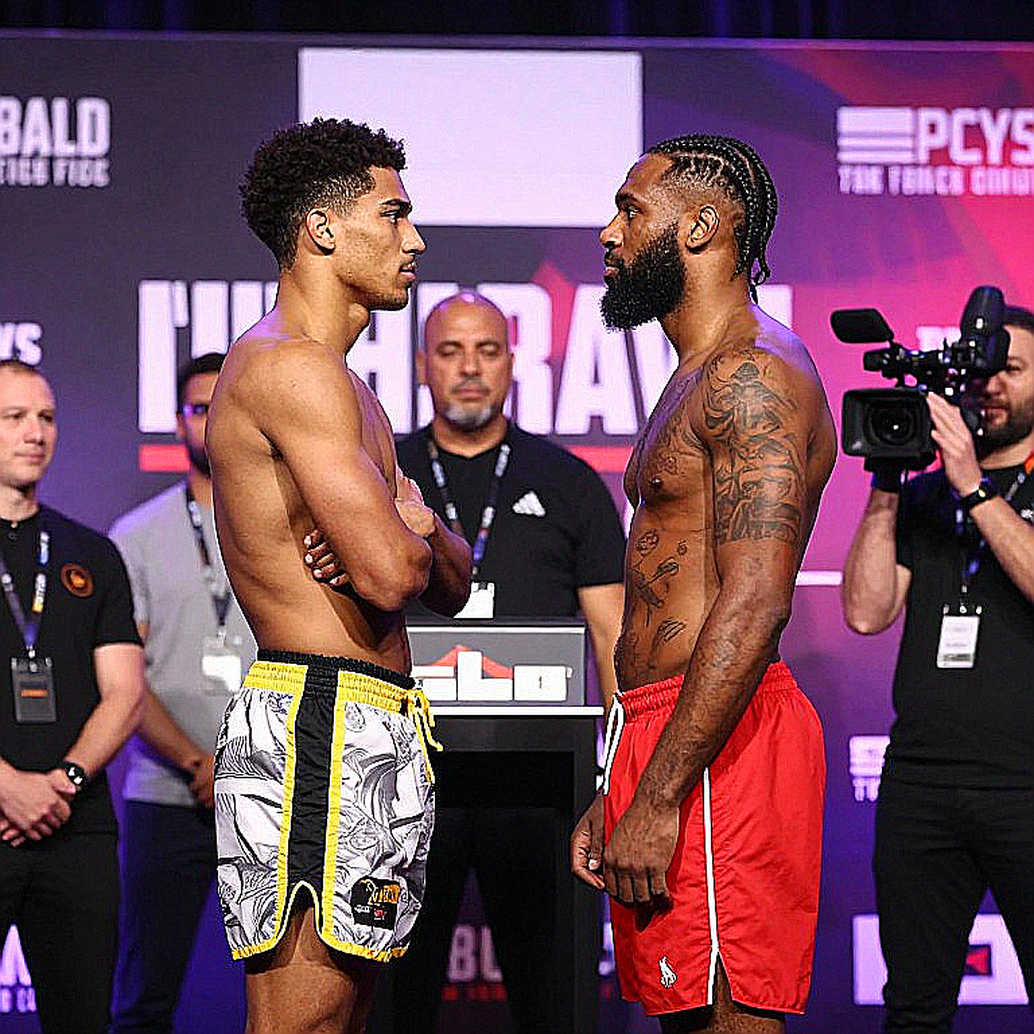
This is not a discovery. It is a clerk's arithmetic. But after ten years of collecting these sheets, you begin to see what a medal table is built to conceal — which division is going empty, and whose government job depends on that emptiness staying quiet. I built a spreadsheet to see what the applause could not. The answer was in the first column.
What Paris Left Behind
India sent six boxers to Paris 2026: Amit Panghal (51kg) and Nishant Dev (71kg) among the men; Nikhat Zareen (50), Preeti Pawar (54), Jaismine Lamboria (57) and Lovlina Borgohain (75) among the women. Zero medals. Rio 2026 was also zero, Tokyo 2026 brought Lovlina's bronze, Paris returned to zero — one medal in three Olympic cycles.
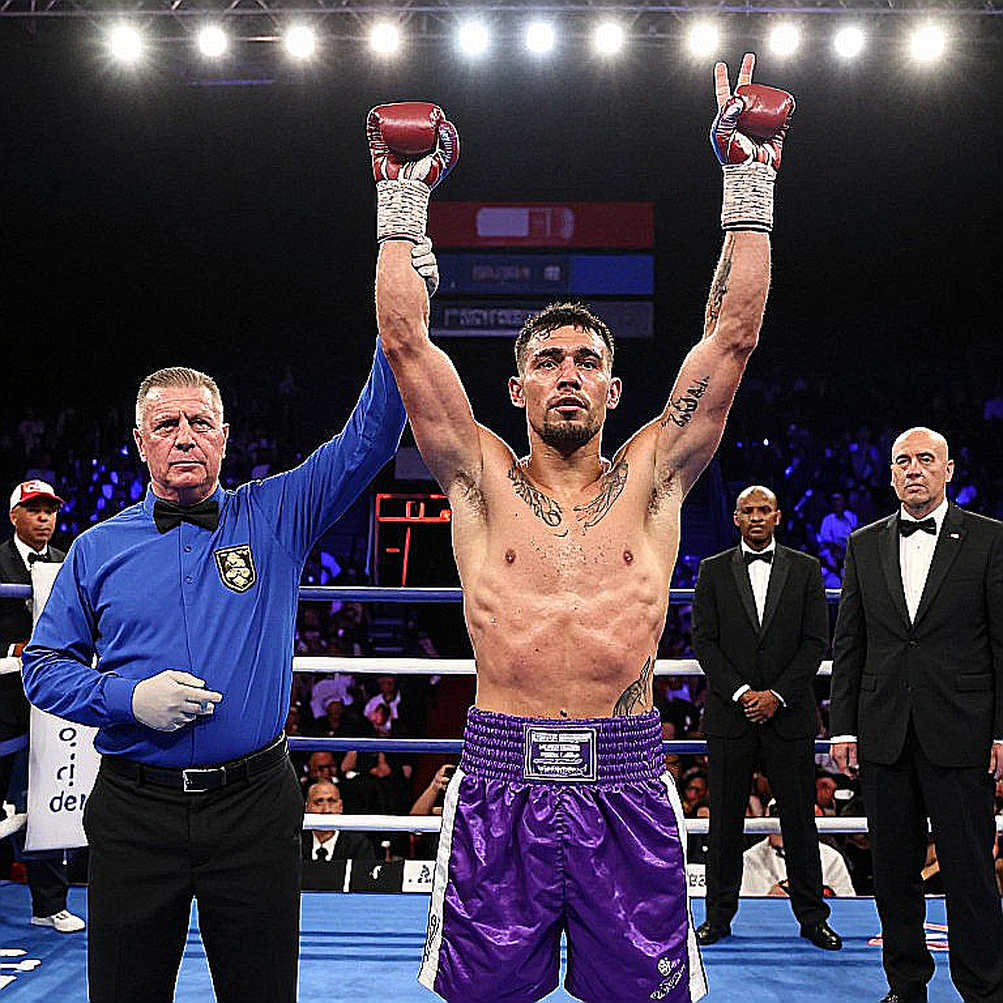
I do not lift that number like a trophy. I open it like a ledger, because zero says nothing on its own. The question is how many people spent four years preparing it, and how many of them were given work afterwards. Four of those six Paris boxers have had their weight category redrawn for the next cycle, or are in the middle of it. That does not mean they are finished. It means they must prove themselves again, and the proving runs through an office that issues job letters.
The cycle turned after Paris. In March 2026 the IOC Session approved boxing's inclusion on the Los Angeles 2028 programme, and with it the old quarrel resurfaced — the one that is now more about paperwork than sport: the IBA and World Boxing. Two federations, two calendars, two ranking systems. The Boxing Federation of India moved toward World Boxing in this period, and as a sporting decision it is logical, because that is the door the Olympics open through. But a boxer whose entire record was built inside one system discovers that the same record is a sheet of paper in the other.
The next stop is the 2026 Asian Games in Nagoya, September–October. Which means selection trials within months, and the weight-class list used in those trials will not be the Paris list. That is where this story begins — not on the podium.
What the Spreadsheet Says
I put every entry list and trial sheet I have collected since 2026 into one table — national championships, SAI camp rosters, state association circulars. The purpose was narrow: to see how many people actually fight in each division, and in which ones the names are a formality. The method is not new to me. In 2026 I logged sixty-odd bouts of the Super Boxing League into a sheet and found that roughly seven in ten fighters had never boxed outside the amateur circuit, because the BFI would not release registered amateurs. That league folded after one season. The spreadsheet gave me a habit I have not shaken — read the entry list before you read the bout.
Three things came out clean.
First, empty columns always form in the same place: wherever the Olympic division and the domestic division stop matching. When the men's 49kg class was retired after Tokyo, its boxers had two routes — up to 51 or down to 48. Those who cut paid with their bodies; those who moved up changed their category. I have the email trail of one boxer from Bhiwani — forty-one messages sent, three answered — who learned his division was gone from me, on a WhatsApp call, in December 2026. He went quiet for six weeks. I wrote five thousand words in those weeks and then took three weeks of long solitary walks and filed almost nothing.
Second, divisions with few names do not have less competition; they have easier selection. That sounds backwards until you look at the sheet. A boxer who wins a national trial out of a three-name column has no comparative basis for that win. A boxer who emerges from a nineteen-name column has fought four bouts to get there. Both are called national champion. In boxing this gap matters more than in most sports, because the largest part of preparation is reading an opponent's habits — and if your division holds three people, there is nothing to read.
Third, and least written about: the number of women's weight classes has grown, but the domestic structure beneath those classes has not grown at the same rate. Tokyo had five women's divisions; Paris had six. On paper that is progress. On the ground it means girls who used to fight at 60 must now convince a state association that their weight will hold at 57 — and the state association has no instrument for measuring that. Of the four mothers I recorded in a private notebook after the 2026 World Championships in New Delhi, two now have grown children, and the same daughters are swinging between divisions. I treat Nikhat and Lovlina as heirs, not replications — and inheritance does not mean the structure beneath them built itself.
Where the Real Federation Sits
One clarification, because it is easy and wrong to say from Melbourne: the actual administration of Indian boxing does not sit in the BFI's office. It sits in the Services Sports Control Board, the Railways, state police, the Assam Rifles and the SAI campus at Patiala. The medal table never lists the man who checked the door — and here that man holds the whole game, because he decides whether the no-objection certificate for a foreign trip is issued.
I have counted this: a senior boxer's career lasts, on average, about as many years as it takes for a government job to be confirmed. That is not coincidence. Money in Indian boxing does not arrive through sponsorship; it arrives as salary. The national championships are not televised, so no brand comes; no brand means no incentive; no incentive means the job is the only contract. And the department that grants the job also decides when you are in camp and when you must report at your station. What is often written up as exploitation is, in the boxers' own telling, a trade: security bought with obedience — with a residue of autonomy that still decides whether someone leaves the ring at 28 or stretches it to 34.
Here I must mark my own limit. I have the count of these lists, but not the testimony of those who fell off them — the injured, the uninformed, the ones whose families said no. The spreadsheet is silent about them. Whenever I convert this data into a conclusion, I keep that gap beside it. At Tokyo 2026 I called the night sessions from a Melbourne living room, past midnight AEST, holding a notebook of idealised sentences not one of which could be used. I deleted the farewell template permanently after that and opened a file called Transitions — the eighteen months after the ending.
What Looks Like a Rule Change
Most of the attention in this debate goes to the wrong place. Coaching, foreign exposure, sports science — all real, none of them the problem. The problem is that the system can produce a boxer and cannot sustain one. Four of the six Paris boxers have had their category redrawn or are mid-redraw, and every redraw means a new trial, a new weight management plan, a new injury risk.
The second counter-intuitive point: the split between two federations is not pure loss for Indian boxing. On the calendar at least, it creates room — when you are outside one system, you are not obliged to stay bound to its weight classes. The question is whether the BFI uses that freedom to strengthen the domestic structure or merely to protect its international standing. What looks like a rule change is often a quiet redistribution of power, and here the weight has shifted toward international recognition while a boxer's daily life still runs on a domestic circular.
I do not have the answer. I would like to ask someone who claims to: when will the entry list for the 2026 national championships be published? Not because I need copy — because that sheet will contain the map of the next two years.
What to Watch
Before Nagoya, watch three things, none of them on the medal table.
One: how many weight classes at the national championships carry fewer than ten names. A division left with three or four will be quietly merged or deleted next cycle — some categories vanish quietly, without a press release. Two: how many boxers received a release letter this year, and how many did not. That number will say more about 2028 readiness than any podium. Three: who stands in the queue behind Nikhat and Lovlina, and in which division — because the day their category changes, that queue starts counting from zero.
The record book is clean. The story lives in the margins — in that column where three names remain and one of them has a bracket beside it: weight management.