
240 Runs, 96 Overs and a 2.50 Rate: In Adelaide, South Australia's Real Stake Is Wickets, Not Runs
**कोर उत्तर**: साउथ ऑस्ट्रेलिया को चौथे दिन 96 ओवर में 240 रन चाहिए — 2.50 रन प्रति ओवर, नौ विकेट हाथ में। असली बाधा रन-दर नहीं, लगभग 80 ओवर तक विकेट बचाना और 80वें ओवर पर उपलब्ध दूसरी नई गेंद है। **मुख्य तथ्य**: - वेस्टर्न ऑस्ट्रेलिया: पहली पारी 5 विकेट पर 406 घोषित, दूसरी पारी 169; लक्ष्य 422। - साउथ ऑस्ट्रेलिया: पहली पारी 154, दूसरी पारी तीसरे दिन के अंत में 1 विकेट पर 182। - मैकेंजी हार्वे 132 गेंदों पर 90 नाबाद; नाथन मैकस्वीनी 132 गेंदों पर 57। - शेफील्ड शील्ड का सर्वोच्च सफल पीछा 506, साउथ ऑस्ट्रेलिया ने 1991-92 में किया; मौजूदा लक्ष्य 84 रन कम। - पहली पारी के बाद वेस्टर्न ऑस्ट्रेलिया 252 रन आगे; फ़ॉलो-ऑन दहलीज़ 150 रन, विकल्प इस्तेमाल नहीं हुआ। **स्रोत**: cricket.com.au, "South Australia hit back, dare to dream of epic chase" — शेफील्ड शील्ड राउंड 3, एडिलेड ओवल। प्रकाशन तिथि मूल रिपोर्ट से सत्यापन लंबित। "दूसरे दिन 18 विकेट" वाला आँकड़ा भी सत्यापन लंबित है। **संबंधित प्रश्न-उत्तर**: प्रश्न: क्या साउथ ऑस्ट्रेलिया 422 का पीछा कर सकता है? उत्तर: हाँ — 2.50 की आवश्यक दर उसकी मौजूदा बल्लेबाज़ी गति से कम है, शर्त 80 ओवर तक विकेट बचाने की है। प्रश्न: वेस्टर्न ऑस्ट्रेलिया ने फ़ॉलो-ऑन क्यों नहीं लगाया? उत्तर: 252 रन की बढ़त के बावजूद उसने गेंदबाज़ों के आराम और पिच की उम्र चुनी, जिससे साउथ ऑस्ट्रेलिया को "बचो" की जगह "जीतो" की भूमिका मिल गई। प्रश्न: बारिश का क्या असर पड़ सकता है? उत्तर: शनिवार के लिए केवल हल्की बारिश का अनुमान है, इसलिए ड्रॉ बेस केस नहीं — नतीजा ज़्यादा संभावित है।
240 Runs, 96 Overs and a 2.50 Rate: In Adelaide, South Australia's Real Stake Is Wickets, Not Runs
At stumps on day three at Adelaide Oval the board carried two numbers: 1-182, and 240 to get. Most people read the 240. I read the 2.50.
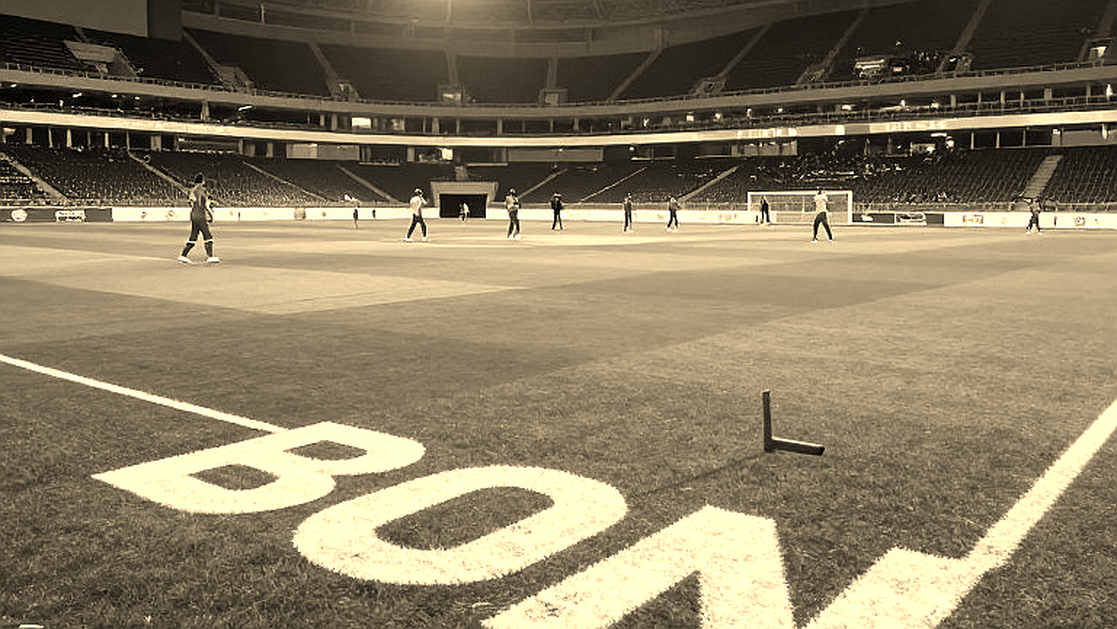
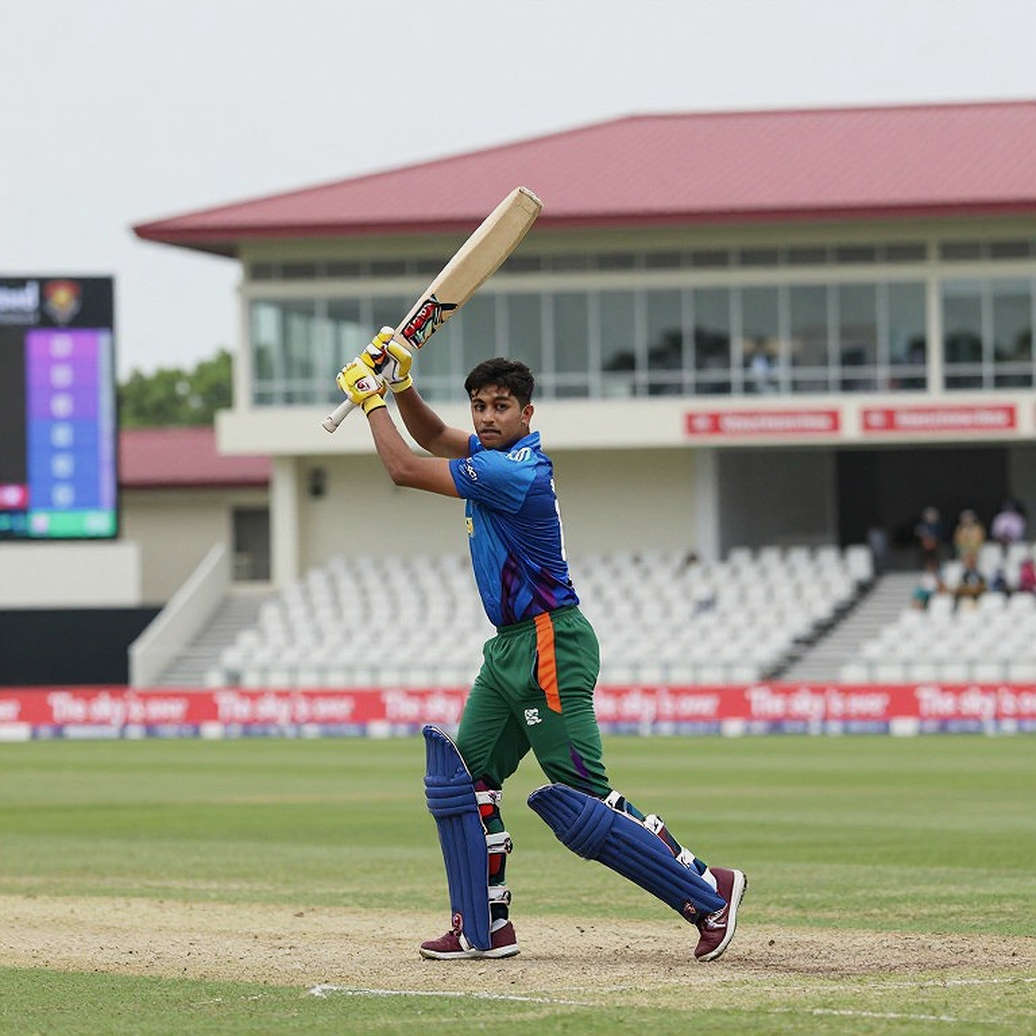
South Australia need 240 from a maximum of 96 overs on day four with nine wickets in hand — 2.50 runs per over. Mackenzie Harvey is 90 not out off 132 balls; Nathan McSweeney is 57 off 132. The innings has moved at better than three an over. A batter who makes 90 in 132 balls does not lose a match to a required rate of 2.50. The constraint sits elsewhere, and it is a constraint of time rather than of bowling.
Watching Sheffield Shield cricket across several seasons has taught me one thing about fourth days: the story is never written by the target, it is written by the cost of the overs that remain. 240 in 96 overs means protecting wickets for roughly 80 of them, and in those 80 overs every passing hour raises the price of a single mistake.
Context: one match, three weathers
The Round 3 fixture has behaved like three separate matches. Day one belonged to Western Australia at 1-257 — flat pitch, new ball neutered. Day two produced 18 wickets; batting turned suddenly hostile. Day three handed the bat back: South Australia reached 182 for one.
Western Australia declared their first innings at 406 for five. South Australia were bowled out for 154. In the second innings Western Australia, with Cameron Bancroft and Jayden Goodwin in the top order, folded for 169, and the target came out at 422.
Let me clear the format ceiling first. The Sheffield Shield is first-class, it is not Test cricket. Four days, 96 overs a day, bonus points across the first 100 overs of each first innings, and a thinner squad pool than at international level. Nothing here transfers cleanly to Test conclusions — the format is adjacent, not identical. One innings each from Harvey and McSweeney settles nothing about their Test futures; the sample is one innings, and I will keep it that way.
Adelaide Oval is South Australia's home ground, which makes their day-three control look sturdier rather than softer. Only light rain is forecast for Saturday. Light rain does not produce a draw; sustained rain does. The weather is not on the hosts' side, and it is not against them either.

Core: the bill for a declaration
The hinge of this match is not South Australia's batting but Western Australia's decision not to enforce the follow-on. They led by 252 after the first innings — 406 minus 154. The follow-on threshold in three- and four-day cricket is 150, so the option was live. They chose to bat again, made 169, and set 422.
The follow-on threshold was never the whole story; the declaration clock was the confession. The defence exists: rest the seamers, let the pitch age, and hand the fourth-innings risk to the other dressing room. Every defence carries a price, and the price here was converting the opposition from a side asked to survive into a side invited to win.
One correction, because the arithmetic is easy to fudge: Sheffield Shield bonus points accrue in the first 100 overs of the first innings only. Second-innings runs earn nothing. The "bat for bonus points" defence does not survive contact with the second innings. What remains is rest and pitch wear — an expensive argument when the invoice is a 422-run target. The declaration looked like loyalty until I opened the ledger and found a cost.
Now the target arithmetic. 240 from 96 overs. Bat at 2.50 and South Australia win with overs to spare. Bat at 2.20 — a long rearguard in which deliveries, not runs, get consumed — and the overs run out into a draw. The first-class distance between 2.50 and 2.20 is one good partnership. That makes the finish genuinely knife-edge, and rather less epic than the framing suggests.
Look at the partnership itself. Harvey's strike rate sits around 68, and that is fine, because against a required rate of 2.50 a strike rate of 68 is still fast. McSweeney's contribution was accounting rather than technique: he did not sell a wicket. The hero of a fourth-innings chase is never the man who scores fastest; it is the man who stays longest.
On the bowling side Western Australia have Jhye Richardson and Brendan Doggett with the seam, and Ashton Agar as the left-arm spinner. The second new ball becomes available at the 80th over on day four, and that is the clean checkpoint of this chase. If South Australia go from 182 to two or three down at that mark, the game is theirs. If four or five wickets are gone by then, the new ball asks what a tail can do under a target of 422.
That is where the tension bites. A spinner like Agar gets better the longer day four runs, because the footmarks deepen. Time makes wicket preservation harder rather than easier. Scoring quickly, meanwhile, means buying risk. The run rate looks easy and the wicket-keeping looks hard, and both jobs must be done across the same 80 overs. That condition never appears on a scoreboard.
The pitch reading sits at the level of probability. Day one (257 for one) and day three (182 for one) were both batting days; day two was chaos. The simplest explanation is live grass or variable bounce early that settled later. That is an inference, not a document, and I will label it as one.
Contrarian: the invoice on the word "improbable"
The headline says South Australia are daring to dream of an improbable chase. The headline loses to its own data point. The highest successful chase in Sheffield Shield history is 506, and South Australia made it in 2026-92. The target of 422 sits 84 runs below that. I traced the 506 not to a press conference but to a column on a scoresheet, and that column blunts the framing.
The reverse caution matters equally. That 2026-92 chase did not happen at Adelaide Oval, so do not read it as venue proof — it is a benchmark, not a precedent. What deserves recording is this: 422 is not impossible, it is abnormal — and abnormal targets become difficult when wickets fall, not when overs pass.
The rain framing needs the same discipline. Only light rain is forecast, and the report itself expects a result. A draw is nobody's safe hedge, not for South Australia and not for Western Australia. Any side planning to hide behind the weather is running a bad model.
One data note, because this is the habit that keeps me honest: the "18 wickets on day two" figure does not reconcile exactly with the scoreline sequence. Depending on how many fell in the closing overs of day one, the true number shifts slightly. The gap is small and the report has probably approximated — the figure is pending verification. I will not build a conclusion on top of it.
Takeaway
The first hour of day four decides whether Adelaide watches a chase of 422 or 96 overs being spent. South Australia have a small target, little time and precious wickets. Western Australia have the ball and a spinner who likes the fourth day. Whoever left the follow-on option in the drawer is now paying interest on that single decision. The question is not whether South Australia can make 240 — it is whether they can keep nine wickets for 80 overs.