
The Arithmetic of 43 Percent Dot Balls: Before Sharjah, Pybus's Interview Is Captaincy Damage Control More Than Technique
**मुख्य उत्तर:** अफ़ग़ानिस्तान के मुख्य कोच पाइबस ने जिम्बाब्वे श्रृंखला से पहले डॉट बॉल 43% और स्ट्राइक रेट 136.4 बताया, लेकिन साक्षात्कार का अधिकांश हिस्सा इब्राहिम ज़दरान की कप्तानी और राशिद खान की नाराज़गी की अफ़वाहों पर गया, तकनीकी विश्लेषण पर नहीं। **मुख्य तथ्य:** - 27 अक्टूबर से शारजाह में जिम्बाब्वे के खिलाफ़ अफ़ग़ानिस्तान की T20I श्रृंखला शुरू होगी; भारत के खिलाफ़ तीनों मैच हारे। - 43% डॉट बॉल और 136.4 स्ट्राइक रेट पिछले बारह महीनों के बताए गए, पर किसी संगठन या मैच-सूची का हवाला नहीं। - पाइबस ने भारत श्रृंखला को benchmarking कहा; कोई ठोस निष्कर्ष या सुधार-लक्ष्य सार्वजनिक नहीं किया गया। - 24 सूचना-बिंदुओं में 13 सीधे कोच के हवाले; राशिद खान की ओर से कोई सीधी प्रतिक्रिया दर्ज नहीं। - लेखकीय गणना: डॉट बॉल 43% से 38% होने पर स्कोर लगभग 14 रन बढ़ता है, 164 से 178 तक। **स्रोत:** क्रिकबज़ साक्षात्कार; प्रकाशन तिथि सार्वजनिक नहीं; श्रृंखला आरंभ तिथि 27 अक्टूबर। **संबंधित प्रश्न-उत्तर:** - प्रश्न: क्या 43% डॉट बॉल वाकई अफ़ग़ानिस्तान की मुख्य समस्या है? उत्तर: उपलब्ध आँकड़ों में तुलनात्मक आधार और समय-सीमा नहीं दी गई, इसलिए यह दावा अपुष्ट है। - प्रश्न: राशिद खान की नाराज़गी की ख़बर का स्रोत क्या है? उत्तर: साक्षात्कार में केवल यह कहा गया कि अफ़वाहें थीं; कोई नाम, तिथि या आधार नहीं बताया गया। - प्रश्न: कप्तानी का इब्राहिम ज़दरान की बल्लेबाज़ी पर क्या असर है? उत्तर: पाइबस ने इसे baptism of fire कहा, पर रनों में कीमत का कोई आँकड़ा नहीं दिया।
The first ball of Afghanistan's innings will be bowled in Sharjah on 27 October. Before that, head coach Pybus placed two numbers in front of the journalists — 43 and 136.4. The first is a dot-ball percentage, the second a strike rate. Both were attributed to the past twelve months, both without a source, neither with any indication of which matches, which surfaces, which bowling they came against. Numbers are spoken at press conferences exactly like this — cut loose from context, like the part of the scoreboard that sits outside the camera frame.
I put the two together, because separately they mean nothing. In a 120-ball innings, 43 percent is roughly 52 balls without a run. That leaves 68 balls. A strike rate of 136.4 means 136 runs per 100 balls, which is about 164 in 120. Now the arithmetic nobody in the interview did: those 68 scoring balls work out at 2.39 runs per ball. If the dot-ball rate fell from 43 to 38 percent — six deliveries — and everything else held, the score moves from 164 to 178. Fourteen runs. That is the number that was missing from the whole conversation, and it is the number the argument should have been built on.
Afghanistan played three T20Is against India this year and lost all three. Pybus did not call it a defeat. His words were that playing a side like India is benchmarking, and that as a coach a better gift could not have come his way. The sentence is gracious, and tactically shrewd. But benchmarking is a process, not a conclusion. When you call something a benchmark, the expectation is that you say what the measurement produced. Here it produced only the observation that strengths and weaknesses had been revealed. Which strengths, which weaknesses, and what the remedy is — none of it was disclosed. In the report, the technical portion runs out after five paragraphs and the next six go to captaincy politics.
Context matters. The handover of the captaincy from Rashid Khan to Ibrahim Zadran is the most delicate succession in Afghan cricket, and it arrived at a moment when the T20 structure was already in transition. Sharjah adds a third variable. A small ground, a flat batting surface, and air in which the ball does not need much persuasion to clear the rope. On such a ground, 164 is a recipe for defeat and 178 is a winning score. The technical improvement the coach is describing will be visible fastest at this one venue — and no yardstick for it was made public.
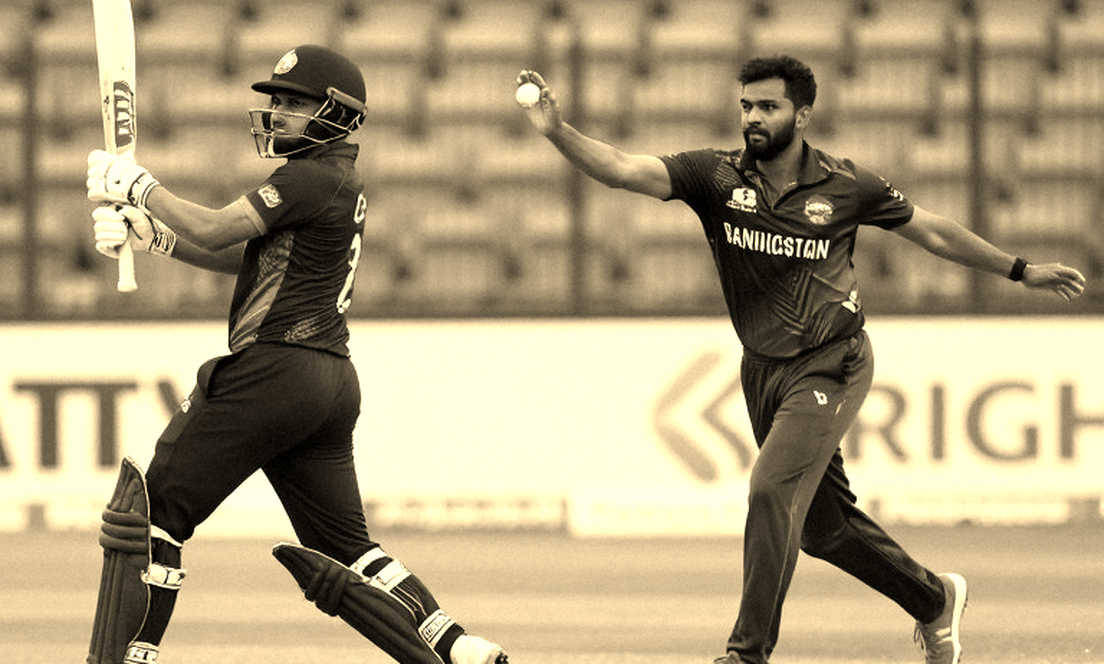
In March 2026 at Eden Gardens I was given the ball-by-ball logger's chair, and that week built a habit I have never shed: the field map first, the adjectives later. I plotted the 376-run stand onto eleven sheets and the finding was that Australia had left deep backward square open for more than forty overs. The logbook says 43 percent; the field says something else. A 43 percent dot rate is not an illness in itself. The question is where those 52 dots fell — in the first two overs against the new ball, in the middle overs against spin, or in the settling period after a wicket. Each has a different cure. The first is a batting-order problem, the second a rotation-and-angle problem, the third a role-clarity problem. The coach identified none of them. I kept the logbook open until the pattern confessed; here the pattern never opened.
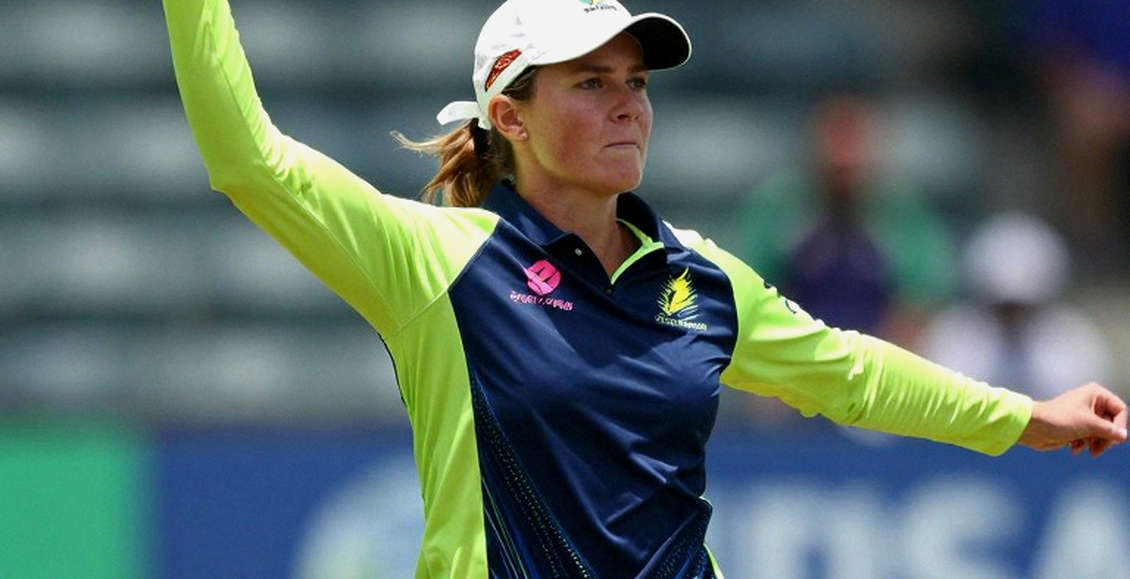
Afghanistan's batting identity is power, not rotation. This team wins the matches in which its middle order's big shots come off, and gets stuck in the ones where the ball is old and the surface slow. The most direct way to cut dot balls is to cut risk — the ground shot instead of the lofted one, the single instead of the edge. That carries a price: on the day these batters choose rotation, a 190 becomes a 165. The coach should have said whether he is making that trade, because in T20 the cure for dot balls is usually paid for in wickets, and that is the head coach's call, not the data desk's.
On Ibrahim Zadran's batting returns the report carries a line — that he did not impress as captain, while Rahmat Shah did. That is the author's own assessment, not attributed to a source, and the interesting thing is that it runs directly against the thrust of Pybus's defence. Pybus rests that defence not on numbers but on intangibles — a baptism of fire. Nobody put a figure on how many runs captaincy costs a batter. If the price is eight or ten runs an innings, it should have been stated plainly, because the top order rests on that same batter. The real inquiry would have been where the pressure shows in his shot selection — whether his strike rate in the first ten balls has dropped, whether he has acquired the habit of batting to the end. None of those questions was asked, and none was deflected.
Read the language of the interview. Before anything was asked about Rashid Khan, the praise was already on the table — a model professional, one who holds nothing back, no better individual. Ibrahim was called one of Afghanistan's best performers across all three formats. Praise of that density tends to appear when something in the room is not right and needs to look right. In the video room, silence is a tactical position; at a press conference, superlatives do the same work.
And the Rashid passage itself? It contains the sentence that there had been speculation Rashid was unhappy. Who said it, when, on what basis — none of that. An unattributed rumour is introduced, and the coach is then invited to extinguish it. That is the classic straw-man construction: the interviewer's role shrinks from interrogator to facilitator. Thirteen of the 24 information points in the piece come directly from the coach, and there is not one direct sentence from Rashid Khan. There is no Zimbabwe perspective, no independent analyst, and Sharjah's conditions appear only incidentally, inside a quote about India.
The real story here is not technical. The headline sells dot balls; the content legitimises a captaincy transition. The word benchmarking converts 0-3 into an asset, but benchmarking means a report was written and its pages shown. We were shown the cover page. Twelve pages can hide a final; read the margins.
In the Zimbabwe series starting 27 October, watch three things: the dot-ball percentage in the first six overs, Ibrahim's strike rate between overs seven and fifteen, and whether Rashid Khan takes the ball in the powerplay — that last one is a signal of authority, not just of bowling. If 43 percent stays where it is and the score goes up, the diagnosis was wrong.