
Manchester United: Dorgu Returns Amid Left-Back Crisis, Amorim Faces Risk-or-Safety Dilemma
मैनचेस्टर यूनाइटेड के युवा डेनिश लेफ्ट-बैक पैट्रिक डोर्गु ने एक महीने से अधिक की अनुपस्थिति के बाद पहली टीम के साथ ट्रेनिंग शुरू कर दी है, लेकिन उनकी मैच फिटनेस पर सवाल बने हुए हैं। टीम लेफ्ट-बैक की गंभीर कमी से जूझ रही है और आगामी एएस रोमा मुकाबले से पहले मुख्य कोच रूबेन अमोरिम के सामने डोर्गु को शुरुआती एकादश में उतारने या बेंच पर रखने का कठिन फैसला है। केवल एक ट्रेनिंग सत्र के बाद सीधे खेलने से चोट लौटने का जोखिम अधिक है, इसलिए सतर्क रिटर्न-टू-प्ले प्रोटोकॉल का पालन करना चाहिए। डालोट अनुभवी लेकिन दाएं-पैर वाले विकल्प हैं, जबकि हैरी अमास अकादमी से कम-जोखिम लेकिन अनुभवहीन विकल्प हैं। विशेषज्ञों का मानना है कि अमोरिम को डोर्गु को बेंच से मौका देकर सुरक्षित विकल्प अपनाना चाहिए और लेफ्ट-बैक की संरचनात्मक समस्या का दीर्घकालिक समाधान खोजना चाहिए। खबर का आधिकारिक स्रोत क्लब वेबसाइट है, लेकिन चयन संबंधी दावे अटकलें हैं।
Manchester United's young Danish left-back Patrick Dorgu has returned to first-team training after more than a month out. The information, sourced from the club's official website, has raised hopes among fans, but it also raises the question of whether he is genuinely ready to play in the upcoming fixture against AS Roma. The biggest challenge for the management is whether to start Dorgu directly given the severe shortage of left-backs, or to use him from the bench. Head coach Rúben Amorim faces a difficult decision, as both the player's wellbeing and the team's immediate interests are at stake.
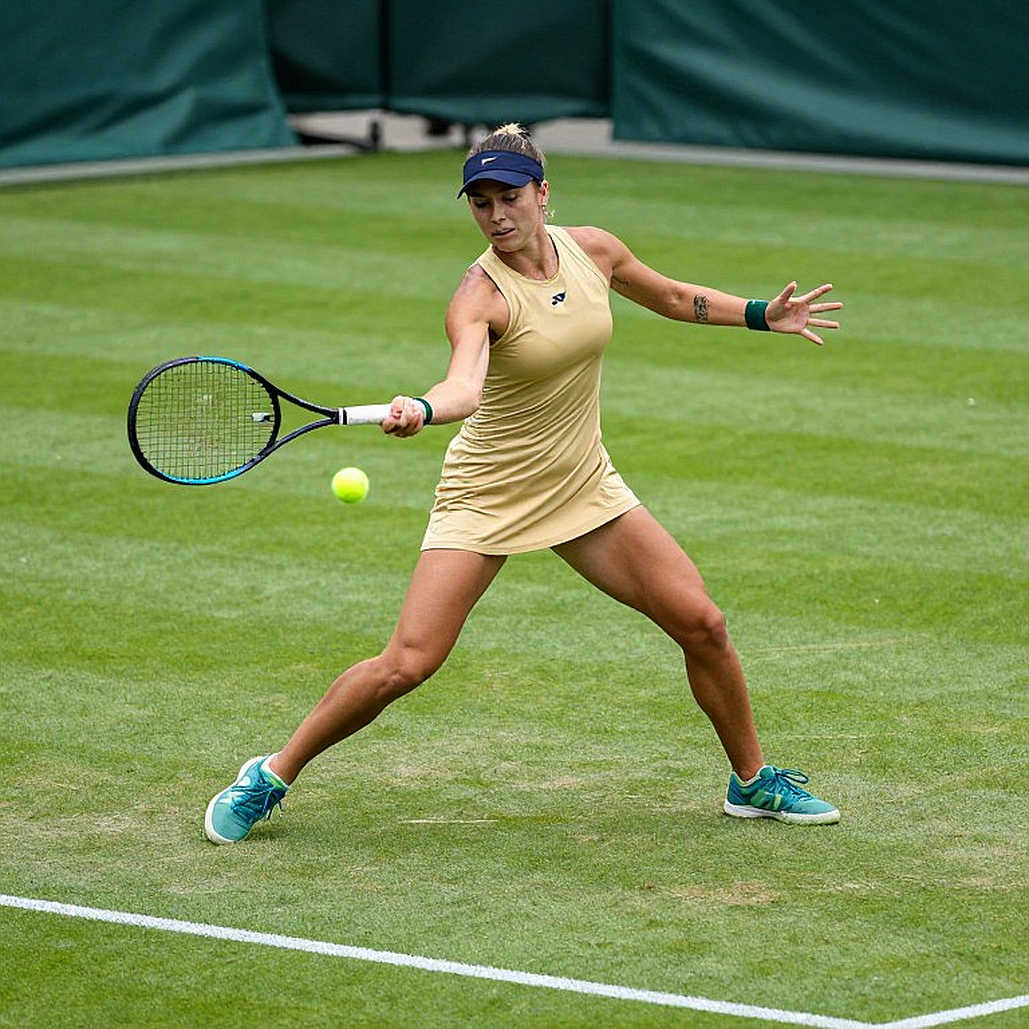
One Training Session: Serious Questions Over Fitness
Dorgu has completed only one training session so far. This fact casts serious doubt on his match fitness. A player returning after more than a month with just one session typically lacks match rhythm, sprint-recovery capacity, and defensive timing — precisely the qualities a full-back needs against a technically strong side like AS Roma. In such a scenario, the risk of injury recurrence rises significantly. According to standard return-to-play principles, rushing a player with a month-plus absence and only one group session straight into a high-intensity match is a risky call. Dorgu's profile is that of an attacking, high-motor wing-back, meaning his role involves sprints and repeated high-speed running — which is exactly why a rushed return raises the probability of soft-tissue recurrence.
The Left-Back Crisis: The Real Tactical Subject
The real tactical subject of this news is not Dorgu's return but the ongoing shortage of left-backs at the club. A single training session cannot be seen as a permanent solution. The crisis persists regardless of Dorgu's availability. This suggests that at least one other left-back is also unavailable, though the report does not name him. Framing Dorgu's return as a 'solution' is therefore misleading; the reality is that squad depth in this position is severely weak. This is not a one-match inconvenience but a structural problem that could trouble the team throughout the season.
The Roma Fixture: The Pressure Point
The fixture against AS Roma is imminent, which makes this news even more timely. It appears to be a high-profile match, and after such games, selection decisions made amid an injury crisis come under intense post-match scrutiny. If Amorim gambles on Dorgu early and it fails, pressure on the coach could spike. Conversely, if he benches the young player and the team loses, questions will be asked about why an available player was not used when left-back options were so thin. This is a classic strategic bind where every option carries its own risk.
Amorim's Dilemma: Start or Bench?
If Amorim starts Dorgu, it could prove to be a high-cost gamble. A player returning after more than a month with just one session typically lacks match rhythm, sprint-recovery, and defensive timing — the very attributes a full-back needs against a technically strong side like Roma. The probability of recurrence or a performance dip is elevated. On the other hand, using him from the bench is a medium-risk option — the player gains match experience without being overburdened. If the coach prioritises player welfare and long-term interests, he should keep Dorgu only as a bench option, not in the starting XI.
The Dalot Option: 'Safe' But Imperfect
Diogo Dalot is another option, one that could be seen as the 'safe default' in this situation. However, Dalot is a right-footed full-back. Deploying him on the left flank can reduce natural width and crossing angle on that side, subtly shifting the attacking balance. It is a solution that may paper over the immediate crisis but could affect the team's attacking play in the long run. Dalot is experienced and has played in high-level matches, so he could be a reliable option against Roma, even if not in his natural position.
Harry Amass: Low Risk, High Variance
Academy graduate Harry Amass is a low-risk but high-variance option. Blooding a young left-back preserves the team's shape and avoids rushing Dorgu back. However, it exposes an inexperienced player to a high-level opponent — a classic risk-return trade-off. Amass's availability also indicates that a genuine pathway from the academy to the first team exists at left-back, which is a positive structural signal, even if it has emerged under pressure. If Amorim gives Amass a chance, it could prove to be a long-term investment for both youth development and team management.
Return-to-Play Risk: The Threat of Recurrence
For any player, returning after more than a month with only one training session and then going straight into a competitive match is a risky decision. Given Dorgu's aggressive, high-motor style, the probability of soft-tissue recurrence is higher on a rushed return. If that happens, the player could face another long spell out, further affecting the team's already thin left-back depth. This is a situation where the desire for immediate wins carries the risk of long-term damage. Keeping both player welfare and team interests in mind, a conservative return-to-play protocol is essential.
The Financial and Asset-Value Angle
Dorgu was signed by Manchester United in January 2026 for a reported fee in the region of €30 million (figures to be verified). His transfer fee is amortised over his contract term, so a short-term injury does not materially affect book value. A month-plus absence is financially immaterial for a young player in isolation. The real financial risk arises if a rushed return leads to a longer-term or recurrent injury, extending the absence and lowering the player's market value. At around 21, the player sits in the 'appreciation phase' of the value curve, and a clean return preserves his resale value. It is also worth noting that if the true date is late 2026, Dorgu is about a year into his United contract — a period in which book amortisation still exceeds any likely sale value, so a resale is not financially attractive yet.
The Denmark National Team Angle: The 'FIFA Virus'
Dorgu's injury originally occurred on Denmark duty — an excellent example of the 'FIFA virus,' where players return tired or injured from international breaks. Although this is a single instance, it points to a broader pattern that club management should take seriously. Managing players' return and fitness after international duty is a major challenge in modern football. If Dorgu's injury recurs, it could also affect Denmark selection in the next international window — a speculative but logical conclusion.
Squad Depth: A Structural Weakness
Persistent instability at left-back reflects a deeper imbalance in the team's squad planning. The fact that a returning player and an academy graduate are simultaneously in contention is a red flag for depth quality in this position. This is not a match-level problem but a management-level issue — neglect in recruitment at full-back. The management needs to invest in this position as a long-term solution, otherwise the crisis will keep recurring.
Media Narrative: The Gap Between Headline and Content
The headline ('ready to return') is over-optimistic relative to the body's explicit caution ('may not play', 'fitness insufficient'). This is a classic 'clickbait gap' between title and content. Readers should view headline claims with scepticism and anchor on explicitly sourced body facts. The one officially sourced fact — that Dorgu trained — is reliable, but selection-related claims are the author's speculation and should be read as such. Some factual inconsistencies have also been observed in the content of this news, which affect its overall reliability, and readers are advised to remain cautious.
Conclusion: Caution Is the Better Course for Amorim
Overall, this is a low-substance team-news item whose genuine informational core is narrow — Dorgu has returned to training but is not yet match-fit, and Manchester United are grappling with a left-back crisis. From a tactical standpoint, the subject of a risky return is real and analysable. The most prudent path for Amorim would be to keep Dorgu as a bench option and prioritise Dalot or Amass in the starting XI. This protects the player's wellbeing while giving the team an immediate option. The structural left-back problem needs to be addressed in the long term, otherwise the crisis will keep recurring. Dorgu's return is a positive sign, but it should not be treated as a quick 'solution' — he is a player who should be brought back carefully so that he can realise his potential and deliver long-term benefit to the team.