
India vs New Zealand 5th T20I: Series Already Won, Rotation and Workload Management Are the Real Story After Eden Park Defeat
भारत ने पांच मैचों की टी20I सीरीज के पहले तीन मैच जीतकर सीरीज 3-0 से अपने नाम कर ली थी; चौथे मैच में ईडन पार्क पर न्यूजीलैंड की जीत के बाद स्कोर 3-1 है। इसलिए पांचवां और अंतिम टी20I एक डेड रबर है — इसके नतीजे से सीरीज विजेता नहीं बदलेगा। इस मैच में असली दांव तीन हैं: आईसीसी टी20I रैंकिंग अंक, अंतिम स्कोरलाइन की छवि (3-2 बनाम 4-1), और खिलाड़ियों का चयन/रोटेशन। चौथे और पांचवें मैच के बीच केवल एक दिन का अंतराल है, जिससे तेज गेंदबाजों का वर्कलोड प्रबंधन सबसे अहम मुद्दा बन जाता है। ईडन पार्क की हार एक मैच का डेटा है, संरचनात्मक बल्लेबाजी समस्या का सबूत नहीं; उस मैदान की सीधी बाउंड्री करीब 55 मीटर है। श्रेयस अय्यर ने इसे "लर्निंग कर्व" कहा है, जो भावनात्मक बयान है, तकनीकी निदान नहीं। मिशेल सैंटनर न्यूजीलैंड के कप्तान और प्रमुख स्पिनर हैं। भारत की बेंच डेप्थ वैश्विक मानक है, इसलिए इस मैच का सबसे उपयोगी आउटपुट बेंच खिलाड़ियों का प्रदर्शन है, न कि स्कोरलाइन। पांचवें मैच का स्थल, रैंकिंग स्थिति और खिलाड़ी आंकड़े स्वतंत्र रूप से सत्यापित किए जाने चाहिए।
The fifth and final T20 International of the five-match series will be played on New Zealand soil, but the series itself has already been decided. India won the first three matches to seal the series 3-0, and after the defeat at Eden Park in the fourth T20I the scoreline reads 3-1. It is clear that the fifth match is a dead rubber — a game whose result cannot change the series winner. That is precisely why viewing this match only through the scorecard would be a mistake. The real story lies in team selection, player workload, bench strength, and the narrative being woven around a single defeat.
Since the Eden Park loss, debate has intensified over whether India's chasing ability should be questioned. That debate rests more on sentiment than on facts. India won three matches in a row. The fourth was played at a small ground where the straight boundaries are roughly 55 metres, and such venues have historically favoured batters and chasing sides. A single match result cannot be proof of a structural weakness.
What a Dead Rubber Actually Means
The moment India won the third match, the competitive relevance of this series was largely extinguished. The fifth match cannot alter the outcome. In such fixtures the real stakes are threefold: ICC T20I ranking points, the optics of the final scoreline (3-2 versus 4-1), and the examination of player selection.
Ranking points apply even in dead rubbers, and that is the only formal competitive incentive left in this match. The second element is perception. The cricketing difference between a 4-1 win and a 3-2 win is small, but in the eyes of the media and fans the two mean very different things. For New Zealand, a 3-2 scoreline looks far better in their post-series review, whereas 4-1 would mark the series as one-sided.
The third and most important element is selection. India possess the deepest bench in the world, so even after rotation their playing XI remains competitive. For New Zealand, rotation costs more. That asymmetry determines who gains more information from this dead rubber.
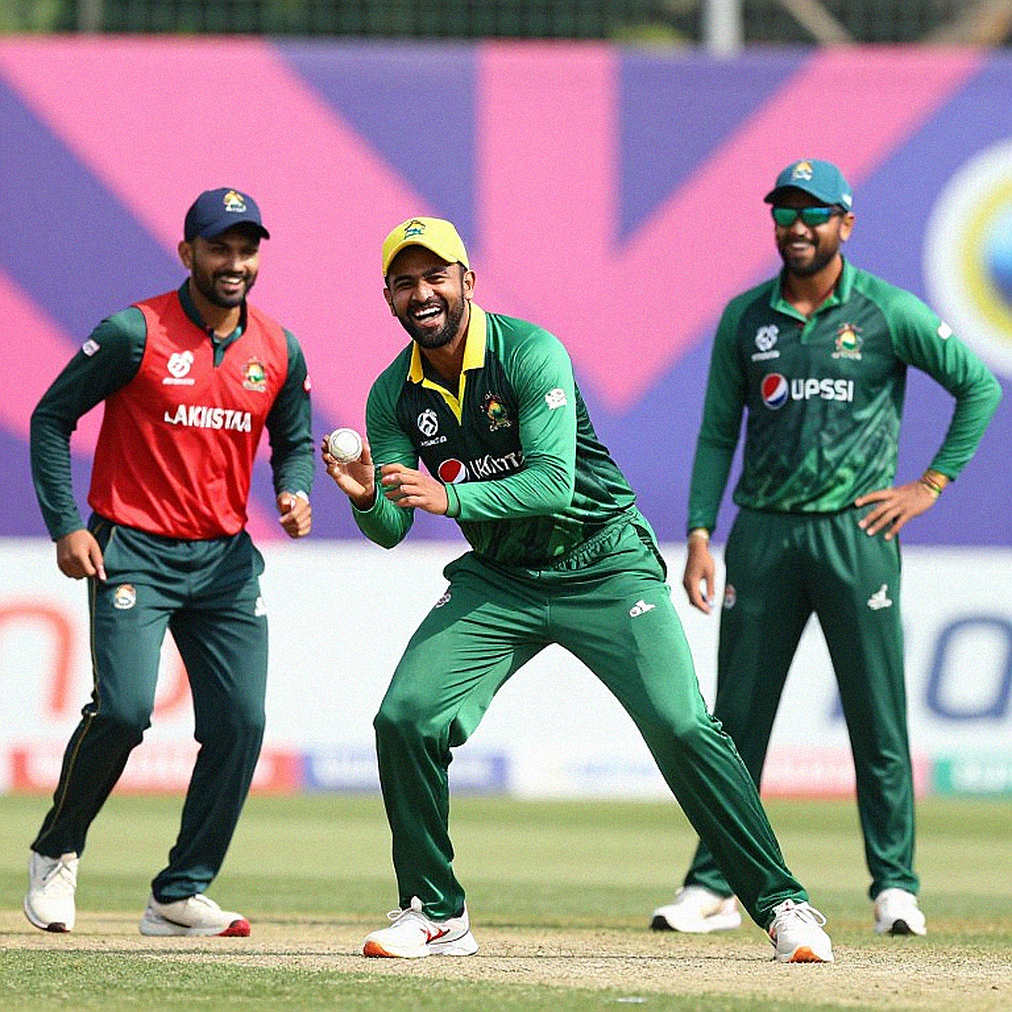
The Eden Park Defeat: One Match of Data, Not a Structural Crisis
The report states that India stumbled during the chase. That describes one match, not a trend. In cricket analysis, judging a batting order's capability on the basis of a single innings violates basic sample discipline. There is no data on which phase the chase broke down — powerplay, middle overs, or death overs.
The ground where the defeat occurred has short straight boundaries, which makes fast bowlers' errors expensive and makes discipline hard to maintain. It is not unusual for any team to slip once at such a venue. Turning that into a conclusion like "India cannot chase under pressure" would require data from at least three innings, which is unavailable.
It is also important to note that the report offers no basis for blaming or exonerating any individual player. The chase failed as a team, but there is no figure showing who contributed how much in which innings. Avoiding individual judgement is therefore the professional approach.
The One-Day Gap: The Most Significant Fact in This Report
There is only a one-day gap between the fourth and fifth T20Is. A turnaround of roughly 24 to 48 hours inside a five-match series severely compresses recovery, travel and net-session time. In practice, this pushes selection toward workload management rather than form.
This is the biggest challenge for fast bowlers, whose recovery windows are the shortest. In a match with no competitive meaning, playing a frontline fast bowler in two consecutive games would be a risky decision. If it happens, it should be treated as a deliberate, monitored choice rather than as normal practice.
The same logic suggests India are more likely than New Zealand to change their XI. India already hold the series and face a compressed turnaround; New Zealand have just won and therefore have a stronger argument for keeping the same side. This is an inference, not confirmation.
Shreyas Iyer's Statement: Sentiment, Not Technical Information
The report carries a statement from Shreyas Iyer in which he described the experience as a "learning curve". This language conveys little information, but it is safe for both the player and the team. It contains no tactical specificity — not which phase failed, not against which bowler, and not which shot selection was wrong.
This statement should therefore be read as a sentiment signal, not a technical diagnosis. Iyer's role in this Indian side is middle-order acceleration, where the real benchmarks are strike rate against spin and boundary-hitting in the death overs. A stumble in the chase touches that role directly, but there is no figure for his individual contribution. Blaming or exonerating him would both be unsupported.
Mitchell Santner: The Double Burden of Captaincy and Bowling
Mitchell Santner is New Zealand's captain and also the side's frontline left-arm spinner. This dual role is strategically significant. At a ground with short straight boundaries like Eden Park, maintaining economy is structurally harder for a finger spinner, because the bowler has little margin to beat or hold the ball in the air. This is a genuine tactical tension, though the venue for the fifth match is unconfirmed.
The second element is that with the series already decided, this match is a low-risk evaluation opportunity for New Zealand's management to assess Santner's T20 captaincy. Testing leadership in a low-stakes fixture provides free information that can feed into planning for the next global tournament cycle.
India's Bench Depth: The Biggest Beneficiary of the Dead Rubber
India's bench depth is the global benchmark. This means that even a rotated XI in a dead rubber remains competitive. The most useful information India can take from this match is not the result but which reserve players can perform under match pressure.
This information is transferable. In other words, the real output of the fifth T20I is not the scoreline but the evidence of bench conversion. India are probably using this series as an audition for fringe players ahead of the next global tournament, which is why rotation in a dead rubber is likely.
New Zealand's Risk: Generational, Not Match-Level
New Zealand's real concern is not the result of this match but the retirements due over the next 24 to 36 months. A veteran-heavy core across several slots indicates that their biggest exposure is generational transition, not a single game.
Similarly, New Zealand's ceiling at home is considerably higher than their away record suggests. Small grounds, wind effects and local pitches compress the technical gap for them. The most logical explanation for the Eden Park result is this home adaptation, not "momentum".
The "Fightback" Narrative: Sentiment Outrunning Facts
The "comeback" or "fightback" framing being built in headlines rests on exactly one match. India lead 3-1 after three consecutive wins. Treating one win at a small home ground as evidence of a shift in the contest ignores sample size.
This is a case of sentiment outrunning fundamentals. Presenting a 3-1 lead in competitive language is standard sports journalism, because live coverage must generate tension to retain readers. It should not be read as a genuine signal about the teams.
The Commercial Side: One Match, Two Different Values
In New Zealand this series is a modest domestic product, whereas for India it is sellable inventory because the Indian broadcast market drives it. That asymmetry, rather than sporting merit, explains why five-match T20I series persist.
Dead rubbers dilute inventory value. When a series is already decided, engagement in the fifth match is typically lower. This is a structural argument against long bilateral T20I series, which boards nonetheless commission for revenue reasons. It is also worth understanding here that a standout individual performance can raise a player's franchise-market demand far more than their international standing.
Ranking Points: The Only Formal Stake
ICC T20I ranking points apply even in dead rubbers. That is the only formal competitive incentive in this match. Practically, however, the points from one match do not change a team's position much, but the fact that the match is not entirely meaningless records it as a small yet real stake.
What to Watch in the Fifth Match
First, India's playing XI. If there are three or more changes from the fourth match, that would confirm a rotation-first approach and reduce injury risk. Second, the fast bowlers' workload — if a frontline quick plays both the fourth and fifth matches, that would be a notable workload decision. Third, the ground's dimensions — if the straight boundaries are under 60 metres, boundary-heavy outcomes should be explained by the venue rather than by form.
Fourth and most importantly, the result. If New Zealand win and the scoreline becomes 3-2, the narrative noise will rise sharply, but the analytical signal will remain close to zero. Neither team should be rated up or down on that basis.
Source Transparency: An Essential Caveat
The source material underlying this report is a live-blog opening stub, not a full analytical article. It contains no scorecard data, no player statistics, no team-selection information, no confirmation of the fifth match's venue, and no identifiable source or byline. Concluding anything firm about a player or team on the basis of this material would therefore be improper. Ranking positions, player statistics and venue details should be verified against the ICC or authoritative cricket databases.
Conclusion
The fifth match of this series is more a matter of process than of outcome. India have already won the series; New Zealand have salvaged pride with one win at a home ground. The real question is how meaningfully India use their bench and what New Zealand learn from this match in preparing for their generational transition. Whether the scoreline ends 4-1 or 3-2, it should not become the yardstick for either team's true capability.