
World CricketHardik Pandya Left Out of Baroda's SMAT 2026 Squad as BCCI Prioritises CoE Rehabilitation
World Cricket
Hardik Pandya Left Out of Baroda's SMAT 2026 Squad as BCCI Prioritises CoE Rehabilitation
सारांश: हार्दिक पांड्या सैयद मुश्ताक अली ट्रॉफी 2026 के लिए बड़ौदा की टीम से बाहर हैं। यह चयन-विवाद नहीं, बल्कि बीसीसीआई का निर्देश है कि वे बेंगलुरु स्थित सेंटर ऑफ एक्सीलेंस में पुनर्वास पर ध्यान दें। मुख्य तथ्य: (1) चोट टिबियल बोन स्ट्रेस इंजरी है — यह ओवरयूज/हड्डी-भार की समस्या है, मांसपेशी की चोट नहीं। (2) 33 वर्ष की उम्र में तेज गेंदबाजों में इसके दोबारा लौटने का जोखिम अधिक होता है। (3) पुडुचेरी में ऑस्ट्रेलिया ‘ए’ के खिलाफ इंडिया ‘ए’ के लिए चुने जाने के बाद पिंडली की चोट ने उन्हें और पीछे धकेला — यह वापसी की नाकाम कोशिश का संकेत है। (4) पिछले टी20 विश्व कप फाइनल (8 मार्च) के बाद से कोई अंतरराष्ट्रीय मैच नहीं, आईपीएल 2026 के बाद से कोई प्रतिस्पर्धी मैच नहीं। (5) वापसी की कोई तारीख घोषित नहीं। बड़ौदा पर असर: बल्लेबाजी में क्रुणाल पांड्या, दीपक हुड्डा, जितेश शर्मा, शशवत रावत जैसे विकल्प मौजूद हैं, लेकिन हार्दिक जैसा तेज गेंदबाजी ऑलराउंडर नहीं है। इससे टीम एक साथ पांच विशेषज्ञ गेंदबाज और सातवें नंबर तक बल्लेबाजी नहीं रख सकती। स्टैंडबाय में केवल दो नाम हैं। कप्तान क्रुणाल पांड्या, उपकप्तान आतित शेठ — नेतृत्व पहले से तय। ग्रुप संदर्भ: एलीट ग्रुप ‘ए’ में मौजूदा चैंपियन झारखंड के साथ बंगाल, कर्नाटक, राजस्थान, उत्तर प्रदेश, चंडीगढ़ और मिजोरम हैं — प्रतिस्पर्धा कड़ी है। जोखिम आकलन: कुल जोखिम स्तर ‘उच्च’, जिसका मुख्य कारण 33 वर्षीय तेज गेंदबाजी ऑलराउंडर की दोबारा उभरी हड्डी-भार चोट और दोहरा कार्यभार (टॉप-सिक्स बल्लेबाजी + पूरा गेंदबाजी कोटा) है। सुझाव: किसी भी टीम में नाम आने को फिटनेस का प्रमाण न मानें; सीओई की आधिकारिक मंजूरी और किसी प्रतिस्पर्धी मैच में वापसी के बाद ही फिटनेस का अनुमान लगाएं।
The biggest name in Baroda Cricket Association's 15-man squad for the Syed Mushtaq Ali Trophy 2026 is the one that is missing: Hardik Pandya. The exclusion of India's premier pace-bowling all-rounder from the domestic T20 competition is not a selection controversy but a medical decision. The BCCI has, according to reports, directly instructed the Baroda Cricket Association that Pandya should focus on full-time rehabilitation at the Centre of Excellence (CoE) in Bengaluru. This is therefore a story about player availability and physical load tolerance, not about team composition — and that is precisely what makes it far more significant than a routine domestic squad announcement.
The most important detail is the nature of the injury. Pandya is dealing with a tibial bone stress injury. This is not a soft-tissue strain but an overuse pathology caused by repeated bone loading. Recurrence rates for this injury in fast bowlers are notably high, and at 33 the body's bone-recovery capacity is lower than it once was. The treatment is not a few weeks of rest but months of carefully graded reduction in bowling load. The phrase 'still rehabilitating' after this length of time therefore suggests either a slow-healing case or a re-aggravated one.
The second and perhaps most concerning piece of information is that one comeback attempt has already failed. Pandya was named for India A's one-day series against Australia A in Puducherry — the conventional, controlled, low-pressure route back for a returning player. But the same shin injury set him back further. This is a re-aggravation signal, and a re-aggravation is generally considered prognostically worse than a first injury, because it implies the initial rehabilitation cycle was insufficient.
The risk is amplified because Pandya is neither a specialist bowler nor a specialist batter. A pace-bowling all-rounder must clear two separate physical thresholds before selection — a full bowling quota and top-six batting. His return timeline is therefore structurally longer than that of a specialist with the same diagnosis. In T20 cricket this role is also the most squad-efficient, because one player supplies a sixth or seventh bowling option without costing a separate slot — but it is also the role that places the heaviest load on the body.
The timeline makes the picture clearer still. Pandya has not played international cricket since the T20 World Cup final on March 8, and has not appeared in a competitive match since IPL 2026. His match load over several months has therefore been effectively zero. Any return cannot begin directly at international level; it will require a controlled, lower-intensity entry first. Notably, no return date has been stated anywhere in the reporting, which is itself a signal.
As for Baroda, the batting looks less depleted than the bowling. Krunal Pandya, Deepak Hooda, Shivalik Sharma, Shashwat Rawat, wicketkeeper Jitesh Sharma and Bhanu Pania give the side a solid blend of experience and domestic output. Jitesh Sharma has played T20 internationals for India and Hooda also has international experience. Even without Hardik, the batting order looks credible — but the question is whether it is as deep as it would be with him in it.
The bowling loss is obvious. The list includes Raj Limbani, Atit Sheth, Mahesh Pithiya and Hemant Punde, but none is a pace-bowling all-rounder of Pandya's type. His absence affects not one player but the whole structure: the team can no longer field five specialist bowlers and genuine batting to No. 7 at the same time. The bench is thin as well; the standby list contains only two names, Priyanshu Moliya and Chintal Gandhi, which is minimal for a multi-match round-robin.
One positive is that the leadership is settled and uncontested. Krunal Pandya remains captain and Atit Sheth has been named vice-captain. This shows that Baroda planned for an extended absence rather than reacting to a crisis, and it substantially reduces the risk of a mid-tournament leadership vacuum — a sign of sound administration.
Competition-wise, Elite Group A is not easy. Alongside defending champions Jharkhand, the group contains Bengal, Karnataka, Rajasthan, Uttar Pradesh, Chandigarh and Mizoram. At least five of these are traditionally strong domestic units. Even at full strength Baroda's margin for error was thin; without Pandya it has narrowed further. A knockout push remains possible, but it will now depend partly on other results.
From the national team's perspective the story is bigger still. India has a limited supply of pace-bowling all-rounders — a role no side can fill easily. A prolonged absence means selectors will be forced to explore alternatives and experiment, and Pandya's workload may need to be managed permanently in future. This is not merely an injury but a signal of a career phase in which a player competes under controlled loads rather than unrestricted ones.
Commercially, missing the Syed Mushtaq Ali Trophy does little to Pandya's market value, which is anchored to international and IPL output. But if rehabilitation stretches into the next IPL window, the risk shifts from a domestic no-show to a franchise-asset question, and board-franchise communication typically intensifies in such cases. It is also worth remembering that domestic cricket is a platform for young players — Pandya's absence is an opportunity for Baroda's younger contingent.
At the governance level, this is a textbook exercise of the BCCI's centralised authority. The board can direct a state association on the availability of a centrally contracted player, and Baroda's selection committee complied. No dispute has arisen. There is, however, one informational caution: the board's directive is sourced to media reporting rather than an official release, so a conflicting official statement in future could change the picture. For now, compliance risk is low.
On public narrative, a clear pattern is visible. In Indian cricket, any squad inclusion is routinely read as a de facto fitness certificate. The India A episode is precisely the opposite — the name came, and the comeback was then deferred by injury. Any future selection should therefore not be treated as proof of fitness. The story is currently in an acceleration phase, but it is unlikely to peak until a return date or a competitive appearance is announced.
Overall, the headline is about a squad omission, but the real story is about the injury and its management. A 33-year-old pace-bowling all-rounder battling a tibial bone stress injury, one failed comeback attempt, and the BCCI prioritising CoE-based rehabilitation together place this story in the high-risk category. For Baroda it is a manageable sporting cost; for India it is a strategic concern around a scarce resource.
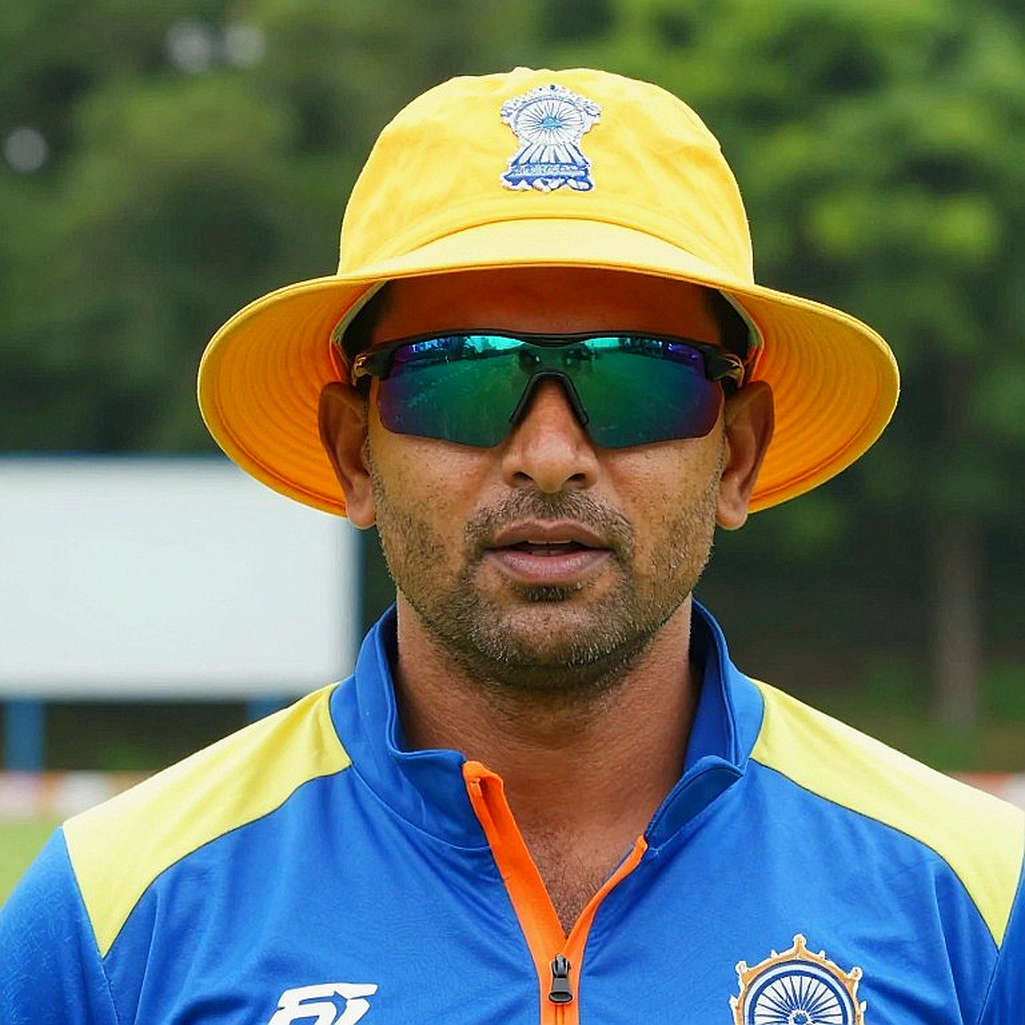
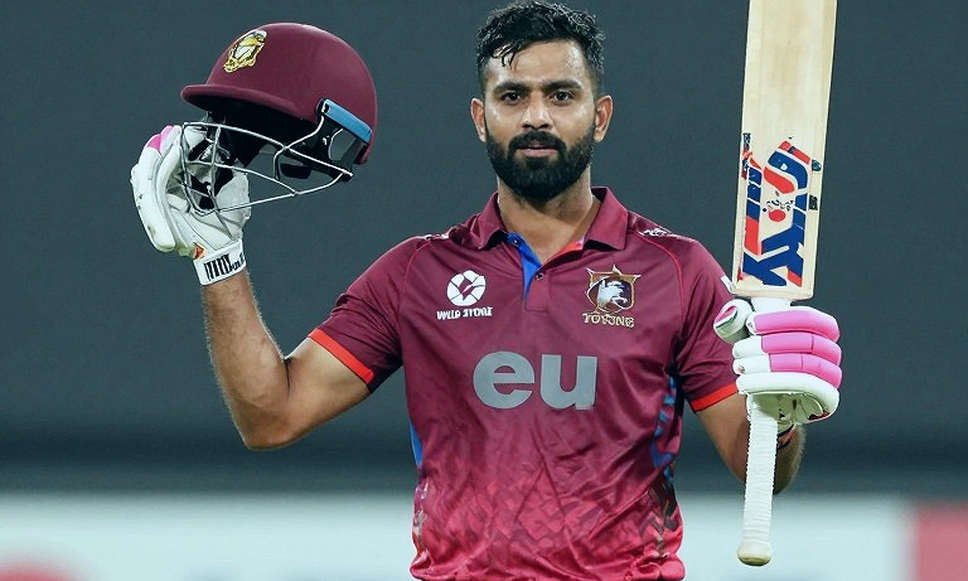
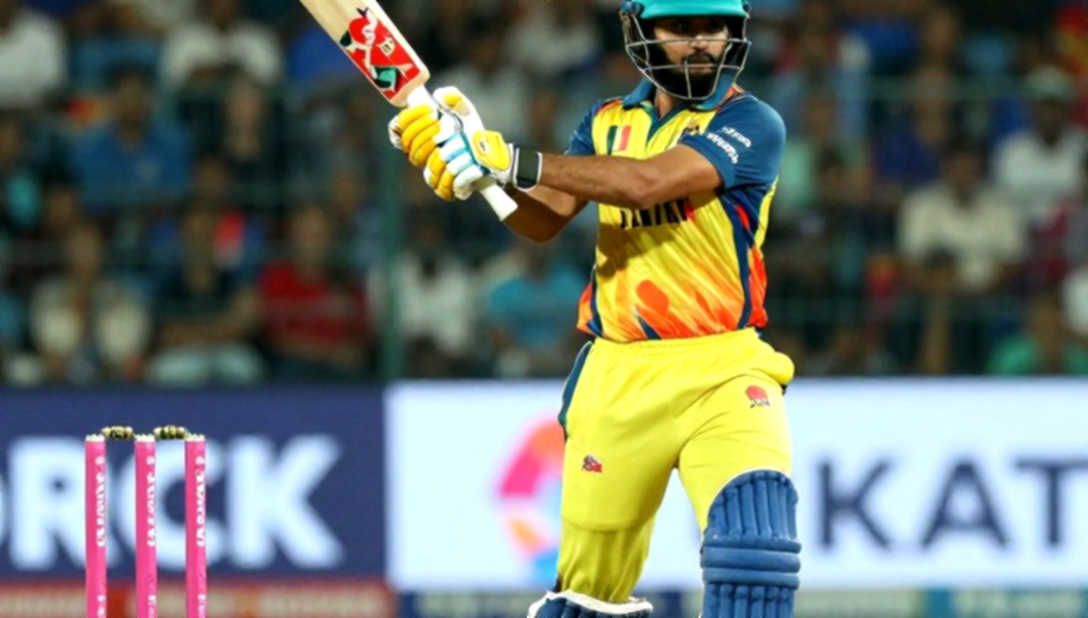
संबंधित खिलाड़ी
लोकप्रिय/पसंदीदा पुस्तकें
Morris's Fire and England's 92 Runs: What the WACA Scoreboard Concealed2026-11-08
Hardik Pandya Left Out of Baroda's SMAT 2026 Squad as BCCI Prioritises CoE Rehabilitation2026-11-08
Pakistan Back Domestic Cricket Before Sri Lanka Tests: Three New Faces, Different Questions2026-11-07
Sophie Devine's Tactical Retirement: The Rise of a New Thinking in T20 Cricket2026-11-07
U19 Asia Cup 2026: Aaryavir Sehwag's Unbeaten 70 Powers India, but Pakistan Will Provide the Real Test2026-11-06
Missing Cricket Data Prevents Meaningful Analysis of Matches, Players and Teams2026-11-06
The 401-Run Stand and a Six-Year ODI Exile: What the West Indies Retainer Paperwork Actually Says2026-11-06
अनुशंसित
USA Cricket's Bankruptcy Exit: New Directors, $3.145M ACE Lifeline—But Who Gets to Run the Election?2026-11-06
The Empty Data Sheet Lesson: Why Input Honesty Matters in Cricket Analysis2026-11-06
Empty Payload, Confident Output: The Silent Failure Inside Cricket's Data Pipeline2026-11-01
Cricket Without Data: When Analysis Outruns the Facts2026-11-03
Twenty Months Later: Lance Morris Returns, and the Question That Won't Show on the Scorecard2026-11-05
Kim Garth's 100th WBBL Match: From Irish Rookie to Australian Pace Leader as Melbourne Stars Face a Crucial Test2026-11-08
Behind Mooney-King's Win Lies Devine's Unspoken Sacrifice: Perth Scorchers Beat Sydney Thunder by 17 Runs2026-11-06
Cricket Analysis on Empty Input: When the Model Has No Question, What Is It Answering?2026-11-03
अनुशंसित
The Empty Scorecard's Lesson: Cricket Analysis Breaks on Input, Not on Opinion2026-11-07
Test Cricket in Spain: The Headline's Error and the Ground's Truth2026-11-04
Beyond Harmer’s 10 Wickets: South Africa’s Win and the Unequal Test Calendar2026-11-05
U19 Asia Cup 2026: Aaryavir Sehwag's Unbeaten 70 Powers India, but Pakistan Will Provide the Real Test2026-11-06
Clayton’s century and Khawaja’s critique: ‘I am thankful’2026-11-03
Major Glitch in Cricket Analysis Pipeline: Analysis Cannot Proceed with Empty Data, Serious Process Flaw Exposed2026-10-27
The Empty Payload: A Cricket Story That Reached the Desk With Zero Facts2026-10-24
The Pavilion End Keeps His Name, Not His Contract: How Lancashire Settled a 25-Year Account With James Anderson2026-10-26
अनुशंसित
Thunder win with 20 balls spare: behind Knight and Harris sits Litchfield's Powerplay and Heat's depth question2026-11-01
Sylhet's Grass and West Indies' Unpriced 'On Course' Claim2026-11-05
Inglis's Century and Australia's Victory Chase: The Decisive Turn at Cape Town2026-10-31
Pakistan Back Domestic Cricket Before Sri Lanka Tests: Three New Faces, Different Questions2026-11-07
Kim Garth's 100th WBBL Match: From Irish Rookie to Australian Pace Leader as Melbourne Stars Face a Crucial Test2026-11-08
Yashasvi Jaiswal's Century and Sai Sudharsan's Gritty 77 Put India A Ahead Before Rain Interrupts Play2026-11-07
The Empty Intake Sheet and the Filled Corridor: What Evidence Costs on a Cricket Beat2026-11-01
The Paper Trail Behind South Africa's No.1 Test Crown: A 2-1 Margin, Ranking Arithmetic, and the Clause Nobody Read2026-11-06
अनुशंसित
The Scream of an Empty Template: When a Cricket Coverage Pipeline Breaks2026-11-03
Mustafizur Rahman Joins Melbourne Renegades for BBL16: A Death-Overs Auction, Partial Availability, and the Left-Arm Specialist Gamble2026-11-04
The Depth Ledger: Three Weeks Inside India's T20 Dressing Room Before the 2026 World Cup2026-11-04
The No-Ball That Decided a WBBL Match: The Keeper's Front-of-Stumps Encroachment and Hobart's Discipline Failure2026-11-05
Knight and Laura Harris star as Thunder make it two in two, beat Heat with 20 balls to spare2026-11-01
Sam Konstas: 149 Runs, and the Paragraph Nobody Reads2026-10-26
Asa Tribe misses England Lions assembly over Ebola-linked entry rule; Lions win first T202026-11-02