
Chris Lynn Served One-Month Suspension After Cocaine Finding at T20 Blast Finals Day
क्रिस लिन को 2026 टी20 ब्लास्ट फाइनल्स डे के दौरान लिए गए नमूने में कोकीन के मेटाबोलाइट बेंजोइलएक्गोनिन मिलने के बाद एक महीने का निलंबन दिया गया। लिन ने 15–16 जुलाई को सेवन स्वीकार किया। क्रिकेट रेगुलेटर ने इसे आउट-ऑफ-कम्पटीशन उल्लंघन माना और उपचार कार्यक्रम पूरा करने के बाद प्रतिबंध तीन महीने से घटाकर एक महीना किया। मुख्य तथ्य: - नमूना: 18 जुलाई 2026, टी20 ब्लास्ट फाइनल्स डे। - खिलाड़ी: नॉर्थम्पटनशायर के पूर्व ऑस्ट्रेलियाई बल्लेबाज क्रिस लिन। - प्रयोगशाला: WADA-मान्यता प्राप्त Laboratoire Anti-Dopage, फ्रांस। - प्रतिबंध: 31 जुलाई से 30 अगस्त 2026; अवधि पूरी हो चुकी है। - नियामक ने सेवन को खेल प्रदर्शन से असंबद्ध और प्रतियोगिता के बाहर हुआ माना। स्रोत: Cricket Regulator, Case Outcome: Chris Lynn, 6 नवंबर 2026; WADA 2026 Prohibited List, प्रभावी 1 जनवरी 2026। | Cross-checked: cricsultan.com पर स्वतंत्र सत्यापन उपलब्ध नहीं। संबंधित प्रश्न: प्रश्न: क्रिस लिन का प्रतिबंध कितने समय का था? उत्तर: क्रिस लिन ने 31 जुलाई से 30 अगस्त 2026 तक एक महीने का निलंबन पूरा किया। प्रश्न: क्या नियामक ने इसे प्रदर्शन बढ़ाने के लिए कोकीन का उपयोग माना? उत्तर: नहीं, नियामक ने उपलब्ध विशेषज्ञ साक्ष्य के आधार पर सेवन को प्रतियोगिता के बाहर और खेल प्रदर्शन से असंबद्ध स्वीकार किया। प्रश्न: प्रतिबंध तीन महीने से घटाकर एक महीना क्यों किया गया? उत्तर: लिन ने सब्सटेंस ऑफ एब्यूज ट्रीटमेंट प्रोग्राम पूरा किया और उसका प्रमाण प्रस्तुत किया, जिसके बाद प्रतिबंध घटाया गया।
Chris Lynn's case: an off-field incident, a sample collected on the field
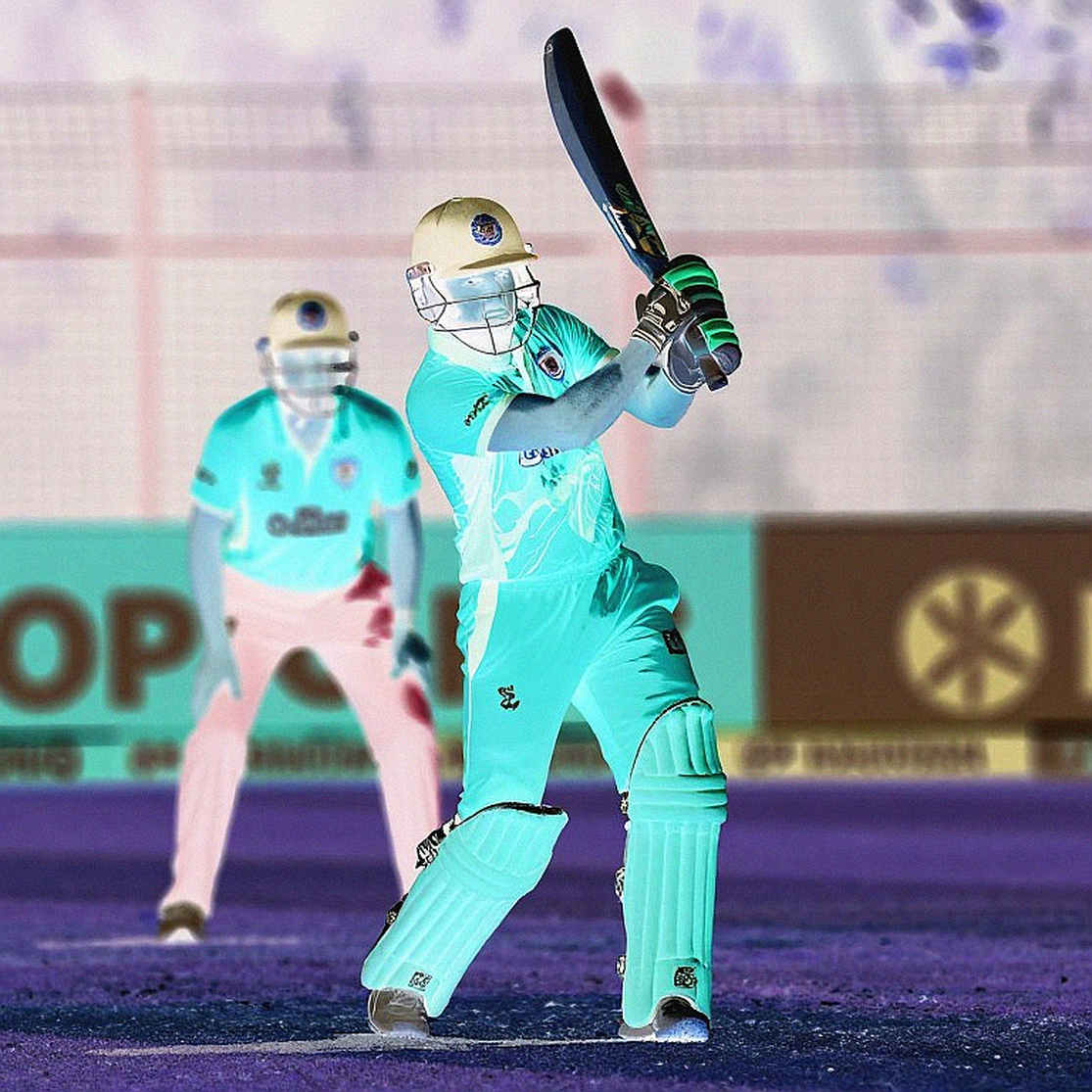
On July 18, 2026, Edgbaston hosted Vitality T20 Blast Finals Day. Former Australia batter Chris Lynn represented Northamptonshire Steelbacks as the county went on to win the title. Nearly four months later, a regulatory decision brought a separate aspect of that day into public view. The Cricket Regulator imposed a one-month suspension on Lynn after a urine sample collected during the competition returned an adverse analytical finding for benzoylecgonine, a metabolite of cocaine.
By the time the case became public, the suspension had already been served. Lynn accepted the sanction and told the regulator that he had used cocaine on the evening of July 15 and into the early hours of July 16. He argued that the use occurred outside the defined competition period and was unrelated to sporting performance. After reviewing the evidence and expert opinion, the regulator accepted that explanation.
Two dates must be kept separate: the sample was collected in competition on July 18, while Lynn said the use occurred on July 15 and 16. That distinction became central to the disciplinary outcome.
The finals-day context and the start of the investigation
Lynn's role for Northamptonshire was that of an experienced T20 batter. However, this disciplinary case cannot be assessed through his batting average, strike rate or an individual innings. The regulatory record concerns the presence of a prohibited substance, the timing of its use and the applicable anti-doping rules. It would therefore be misleading to draw conclusions about match tactics or Northamptonshire's title-winning performance from the disciplinary finding.
According to the Cricket Regulator, Lynn's urine sample collected on July 18 was sent to Laboratoire Anti-Dopage in France, a World Anti-Doping Agency-accredited laboratory. The analysis identified benzoylecgonine, a cocaine metabolite. The result was classified as an Adverse Analytical Finding, or AAF.
On July 31, the regulator notified Lynn of the result and provisionally suspended him. Lynn responded on August 20, acknowledging cocaine use on July 15 and 16. He submitted expert evidence intended to establish that the ingestion had taken place outside the competition period.
The regulator issued formal notice of the charge on September 23. It reviewed Lynn's response and supporting material, and also instructed its own expert to examine the evidence. The reported expert opinion was that the material supported the conclusion that the ingestion had occurred out of competition.
The distinction between in-competition and out-of-competition
The central technical issue was the distinction between an in-competition and an out-of-competition violation. Under anti-doping rules, the prohibited status of a substance can depend on whether its use or presence is connected to the defined competition period. Cocaine is listed under section S.6A of the 2026 WADA Prohibited List as a stimulant and a Substance of Abuse. The list prohibits cocaine in competition. That classification does not, by itself, establish that every instance of use was intended to enhance sporting performance.
A necessary qualification follows. The sample was collected during competition on July 18, establishing the presence of the metabolite in the laboratory analysis. The timing and circumstances of ingestion were assessed separately through other evidence. Lynn supplied an account of when he had used the substance, supported by expert material, and the regulator accepted that evidence. Treating the positive sample and the admitted timing of use as the same event would oversimplify the record.
The regulatory process referred to two anti-doping charges. One charge relating to use of cocaine was later withdrawn because the level reported in the sample was below the minimum reporting level required for that charge under WADA rules. The remaining violation concerning the presence of benzoylecgonine proceeded. This distinction matters: identifying a metabolite in a sample and proving a particular use offence under a specific rule are separate questions.
The regulator accepted that the violation involved out-of-competition use unrelated to sporting performance, while still imposing a sanction for the anti-doping breach. The finding did not mean that the rules ceased to apply. It meant that the timing, nature of the conduct and relevant provisions had to be assessed separately when determining the charge and sanction.
From three months to one: the treatment programme
The Cricket Regulator initially sought a three-month suspension. Lynn committed to completing a Substance of Abuse Treatment Programme and subsequently supplied evidence that he had completed it. The regulator received confirmation in October, after which the proposed period was reduced from three months to one month.
The suspension ran from July 31 to August 30, 2026. By the time the case became public on November 6, Lynn had served the full period. That timeline matters: reporting only that a one-month ban had been imposed could leave readers with the mistaken impression that he remained unavailable.
The treatment programme should also be described accurately. Completion of the programme provided a basis for reducing the sanction within the disciplinary process. It was not equivalent to an exemption, an acquittal or the cancellation of the laboratory finding. Lynn accepted the violation and served the one-month suspension.
The impact on Northamptonshire and the limits of public interpretation
Northamptonshire was directly involved because Lynn represented the county on Finals Day. However, the regulatory decision found no requirement to impose a separate sanction on the club. The available information does not establish collective wrongdoing, match manipulation or the involvement of other players.
The immediate sporting consequence was Lynn's temporary unavailability, but the suspension has already ended. Assessing any longer-term effect on Northamptonshire's batting structure would require the relevant fixture list, replacement options and contract information. Without those details, claims about a measurable effect on the county's competitive strength would be premature.
Media coverage should keep three facts distinct: the adverse laboratory finding, Lynn's admission of use, and the regulator's acceptance of his out-of-competition explanation. Combining them into an allegation of match-fixing or performance-enhancing drug use would go beyond the available record. An anti-doping violation is serious, but it is not automatically evidence that a match result was manipulated.
After years of following cricket disciplinary cases and player-development pathways, I have learned that the reliability of a decision rests on its documentary sequence, not its headline. Here, sample collection, laboratory analysis, the player's response, expert review and the final sanction form a traceable process. Public reporting should still provide the full reasoned decision and its dates so readers can distinguish the regulator's finding from subsequent interpretation.
What to watch next
Lynn's case is now public with a one-month suspension already completed. The most useful next document for readers is the regulator's full reasoned decision, particularly its explanation of the withdrawn charge, the minimum reporting threshold and the basis for reducing the suspension. Lynn's future T20 opportunities will also attract attention, but no prospective selection or contract should be presented as a certain consequence of this case.
The larger test for cricket administration is whether it can explain complex rules in clear language. Player accountability must remain intact, while public discussion must stay within the limits of the evidence. The sample collected on the field was one fact; the timeline behind it and the interpretation of the rules determined the disciplinary outcome.